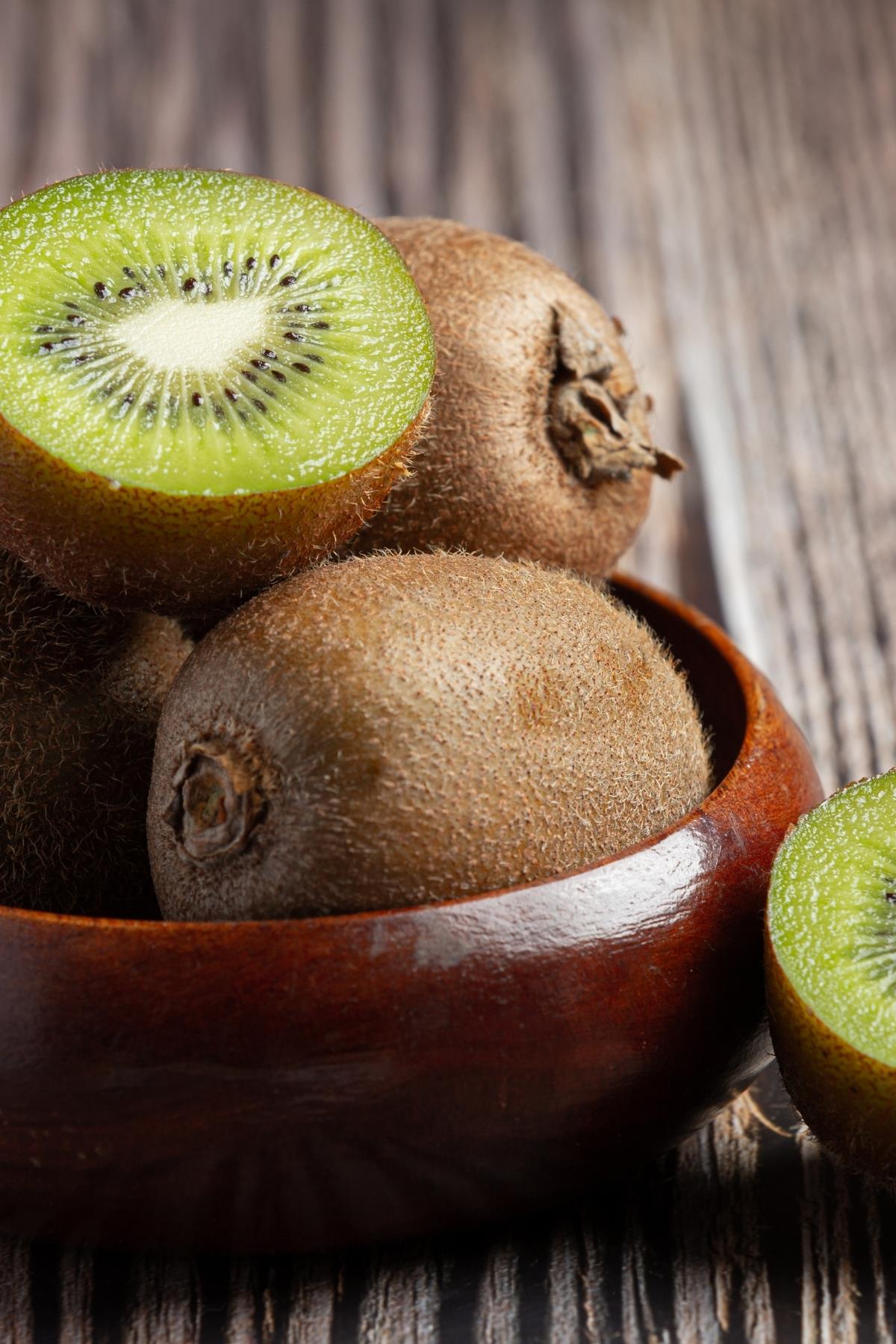
Pesticide-free kiwi, grown using methods that respect nature's own cycle, is produced without the use of chemical pesticides or synthetic fertilizers. The production philosophy adopted at Antalya Doğal Çiftlik is based on sustainable agricultural principles that protect soil health, conserve water resources, and prioritize human health. Thanks to this approach, the kiwi that reaches your table stands out with its additive-free structure and natural aroma.
100% natural methods are preferred in the production process; non-GMO seeds are used, and every stage is controlled in accordance with certified agricultural standards. The local production model preserves the freshness of the product, and it is delivered to the consumer with minimal processing after harvest.
Kiwi Nutritional Value and Benefits
Kiwi is very rich in nutritional value. The table below shows the average nutritional values for 100 grams of kiwi:
| Nutrient |
Amount (100 g) |
| Energy |
61 kcal |
| Carbohydrate |
14.7 g |
| Protein |
1.1 g |
| Fiber |
3 g |
| Vitamin C |
92.7 mg |
| Potassium |
312 mg |
| Vitamin K |
40.3 µg |
Benefits of Kiwi
Kiwi, which is very rich in vitamins, has various benefits. Thanks to this nutrient profile, kiwi;
- Supports the immune system with its high vitamin C content.
- Contributes to the regular functioning of the digestive system with its fibrous structure.
- Helps protect cells against oxidative stress with its antioxidant components.
- Supports the maintenance of fluid balance thanks to its potassium content.
What is Kiwi Good For?
When consumed regularly and in moderation, kiwi has positive effects on the digestive system. Its natural fibers support bowel movements, while the actinidin enzyme aids in protein digestion. This feature makes it a preferred fruit especially after heavy meals.
It also plays an important role in the immune system. The high vitamin C content helps increase the body's resistance to infections. At the same time, antioxidants reduce the negative effects of free radicals, supporting overall health balance. In terms of skin health, it can contribute to collagen synthesis, helping maintain a more vibrant appearance.
What Desserts and Dishes Can Be Made with Kiwi?
Kiwi can be used in many recipes, both alone and with other fruits and vegetables. The table below shows example recipes:
| Recipe Name |
Short Description |
| Kiwi Smoothie |
Banana and spinach refreshing drink |
| Kiwi Fruit Salad |
With strawberries and orange |
| Kiwi Chia Pudding |
With yogurt and chia seeds |
| Kiwi Tart |
Light fruit dessert |
Buy Kiwi Online
Order now for pesticide-free kiwi, from nature to your table. With the assurance of Antalya Doğal Çiftlik, additive-free and fresh products will reach your door safely.
Kiwi Storage Conditions
To preserve the freshness of kiwi, it is recommended to store it in a cool, dry place away from direct sunlight. Unripe fruits can be left at room temperature, while ripe kiwis should be kept in the refrigerator. Balanced humidity reduces the risk of mold and preserves product quality.
Kiwi Shelf Life
When stored under appropriate conditions, kiwi can maintain its freshness for an average of 7-14 days after harvest. While ripe fruits stored in the refrigerator have a longer shelf life, it is recommended to consume cut products quickly.
Where to Buy Kiwi?
For those seeking natural and reliable products, kiwi can be obtained from Antalya Doğal Çiftlik. Fruits grown with organic certified and pesticide-free production are offered through a transparent process from production to delivery. This approach also provides a strong answer to the question, "where should organic certified products be bought?"
How to Consume Kiwi?
Kiwi can be eaten raw directly, or it can be added to salads, smoothies, yogurt, or dessert recipes. Consuming 1-2 pieces daily is generally considered sufficient. Choosing it for breakfast or snacks can support energy balance.
When consumed with foods like bananas, red apples, and yogurt, both flavor and nutritional diversity increase. Consumption in balanced portions offers a more beneficial experience for the digestive system.
Kiwi Production Process / From Farm to Table
At Antalya Doğal Çiftlik, kiwi production is carried out in accordance with pesticide-free farming principles. The natural development of the plant is supported by soil analysis, natural fertilization, and controlled irrigation methods. The harvest process takes place when the fruit reaches ideal ripeness.
Frequently Asked Questions About Kiwi
Where Does Kiwi Grow?
This fruit, which loves temperate and humid climate conditions, is grown in countries such as New Zealand, Italy, and Chile worldwide. In Turkey, fruitful results are obtained in the Black Sea coastal areas and the Mediterranean region, especially around Antalya.
Can Kiwi Be Eaten During Pregnancy?
Kiwi consumption is generally suitable during pregnancy to help meet fiber and vitamin C needs. However, if there is stomach sensitivity or allergic predisposition, portion control and consulting a doctor are recommended.
When Can Babies Be Given Kiwi?
During the transition to complementary feeding, kiwi can be added to a baby's diet in a controlled manner, usually after the 8th month. Due to its acidic nature, it is important to offer small amounts during initial trials and observe for any signs of allergy.
How to Ripen Kiwi?
To ripen firm fruits, it is sufficient to leave them at room temperature. When kept in a sealed bag with an apple or banana, the kiwi will soften faster due to ethylene gas.
Does Kiwi Raise Blood Sugar?
Thanks to its low glycemic index, kiwi does not cause sudden fluctuations in blood sugar. When consumed in balanced portions, it is generally considered safe for individuals with diabetes.
Can Kiwi Skin Be Eaten?
Although most people peel it due to its fuzzy texture, well-washed kiwi skin can be eaten. Since the skin has a higher fiber content, it can provide additional benefits for the digestive system.
Kiwi Analysis Report:
Report Date: 18.11.2025
Report Link: https://static.ticimax.cloud/73652/uploads/dosyalar/p-25-04383.pdf
REFERENCES:
Ballesteros, L. F., Teixeira, J. A., & Mussatto, S. I. (2018). Chemical, functional, and structural properties of dietary fiber from kiwifruit. Food Chemistry, 258, 223–230.
Gibson, R. S. (2005). Principles of nutritional assessment (2nd ed.). Oxford University Press.
Glycemic Index Foundation. (2020). Glycemic index and glycemic load values. Sydney University Press.
National Institutes of Health. (2022). Vitamin C fact sheet for health professionals. U.S. Department of Health and Human Services.
United States Department of Agriculture. (2023). FoodData Central: Kiwifruit, green, raw. U.S. Department of Agriculture.
World Health Organization. (2020). Complementary feeding: Report of the global consultation. WHO Press.
Zou, C., Wang, Y., & Shen, Z. (2016). 2-O-β-D-glucopyranosyl-L-ascorbic acid, a stable form of vitamin C, exhibits potential protective effects in kiwifruit. Journal of Agricultural and Food Chemistry, 64(1), 175–181.