


Post-Harvest Quality at the Organic Farm: How to Store and Preserve Without Pesticide Residue?
Hasat sonrası depolama süreçleri, ürünlerin tazeliğini ve güvenliğini korumada en az üretim kadar kritik bir rol oynar. Pestisit kalıntısı olmadan saklama ise doğru sıcaklık, nem ve lojistik yönetimiyle sağlıklı gıdaya ulaşmanın temelini oluşturur.

Post-Harvest Quality at the Natural Farm: How to Store and Preserve Without Pesticide Residue?
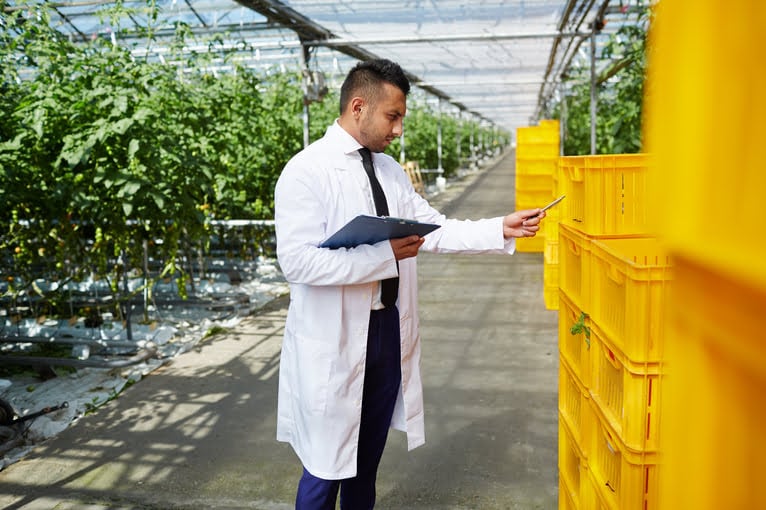
As interest in natural and healthy food grows, one of the most fundamental questions in consumers' minds is: How safe can a product remain from farm to table?
The answer to this question lies not only in the production phase but also in the storage and preservation processes applied after harvest. Particularly, preservation without pesticide residue has become a critical indicator of trust for families with small children and individuals who prioritize healthy eating.
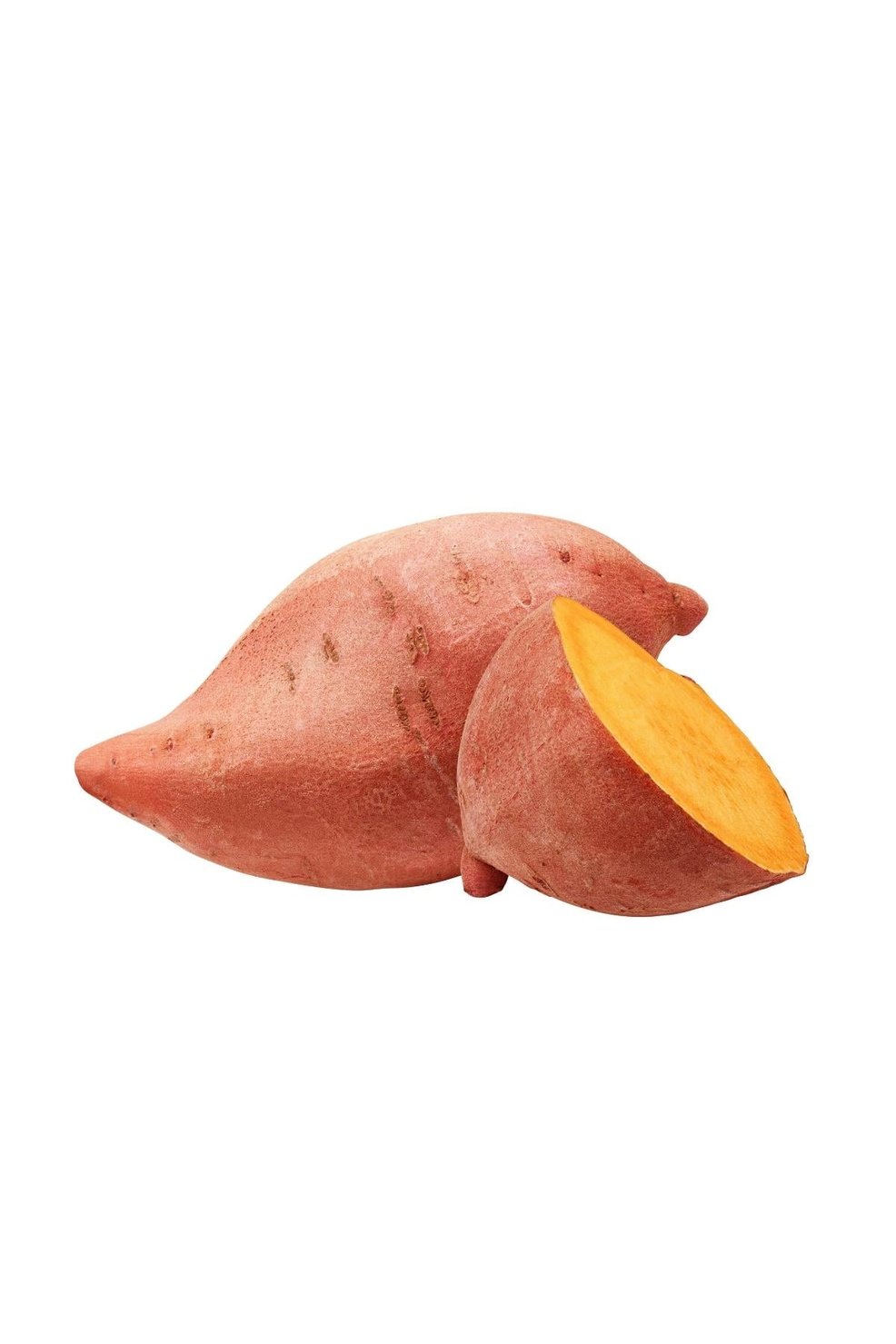
You can access our product by clicking on the image above.
What Determines Post-Harvest Product Quality?
Harvest is not the end of a product's journey; in fact, it is the beginning of the most critical process. Every fruit and vegetable separated from the soil can rapidly lose quality if the right conditions are not met.
The Impact of Physiological and Chemical Processes on the Product
Harvested products are alive and continue to respire. As the respiration rate increases, so do water loss, tissue softening, and microbial risk. At this point, preservation without pesticide residue aims to slow down these biological processes under correct conditions, rather than through chemical intervention.
Incorrect temperature, irregular humidity, and insufficient air circulation significantly reduce both the nutritional value and shelf life of the product. At Antalya Natural Farm, post-harvest product preservation is specifically planned to minimize these physiological reactions.
Harvest Timing and Proper Application Process
Harvesting during the cool hours of the day plays a significant role in preserving product tissue. Fruits and vegetables picked in the early morning have both a lower respiration rate and less moisture loss.
The harvest plan is prepared by considering the product type, weather conditions, and shipping time together. Thus, the foundation for the preservation process without pesticide residue is laid while still in the field.
Why is Storage Without Pesticide Residue Important?
Trust in food is no longer limited to just the "organic" label. Consumers also want to know how the product is preserved after harvest.
Consumer Trust and Health Importance
The risk of chemical residue is a sensitive issue, especially for the immune systems of children. Therefore, healthy food preservation methods have become an important criterion not only for producers but also for conscious consumers.
Preservation without pesticide residue focuses on maintaining the product's natural structure rather than making it "durable" with chemical substances. This approach strengthens consumer trust in the long run and earns brands a sustainable reputation.
Organic Certification Process and Residue-Free Status
Organic production certificates cover not only the cultivation process but also post-harvest storage conditions. Many details are inspected, from the materials used in storage areas to the ambient air.
Therefore, preservation without pesticide residue is an integral part of the certification process. Incorrect storage conditions can jeopardize the entire chain, no matter how clean the production phase was.
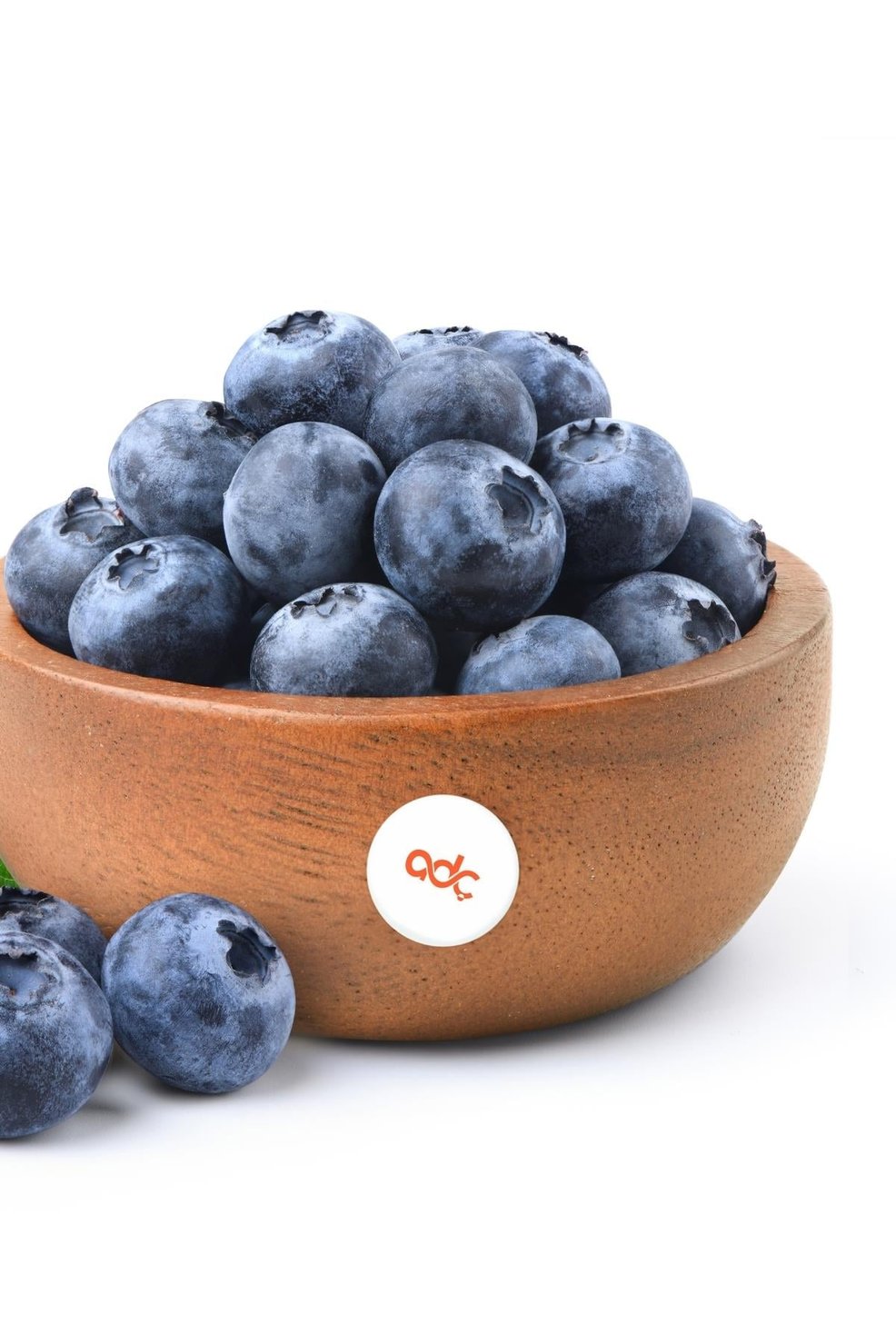
You can access our product by clicking on the image above.
Long-Term Storage Methods Without Pesticides
It is possible to preserve products for a long time without using chemicals. The key here is the combined application of correct techniques.
Cold Chain and Pre-cooling Methods
Pre-cooling immediately after harvest slows down the spoilage process by reducing the product's respiration rate. Rapid cooling with cold water or vacuum pre-cooling methods are particularly effective for leafy vegetables.
The continuity of the cold chain is the backbone of the preservation process without pesticide residue. For most vegetables and fruits, a range of 0–5°C is considered ideal; however, these values may vary for each product.
Humidity Balance and Natural Ventilation Systems
Not only temperature but also humidity balance is crucial for product quality. Excessive humidity increases the risk of mold, while low humidity causes the product to shrivel.
Among natural farm storage methods, humidity-controlled rooms and natural ventilation systems hold an important place. These systems help the product maintain its freshness without damaging its texture.
Natural Preservatives and Biological Storage Solutions
Instead of chemical preservatives, biological solutions such as plant-derived essential oils, clay-based packaging, or ozonated environments can be preferred. These methods stand out among chemical-free preservation methods for food. When applied correctly, these solutions support the goal of preservation without pesticide residue while not harming the product's natural aroma.
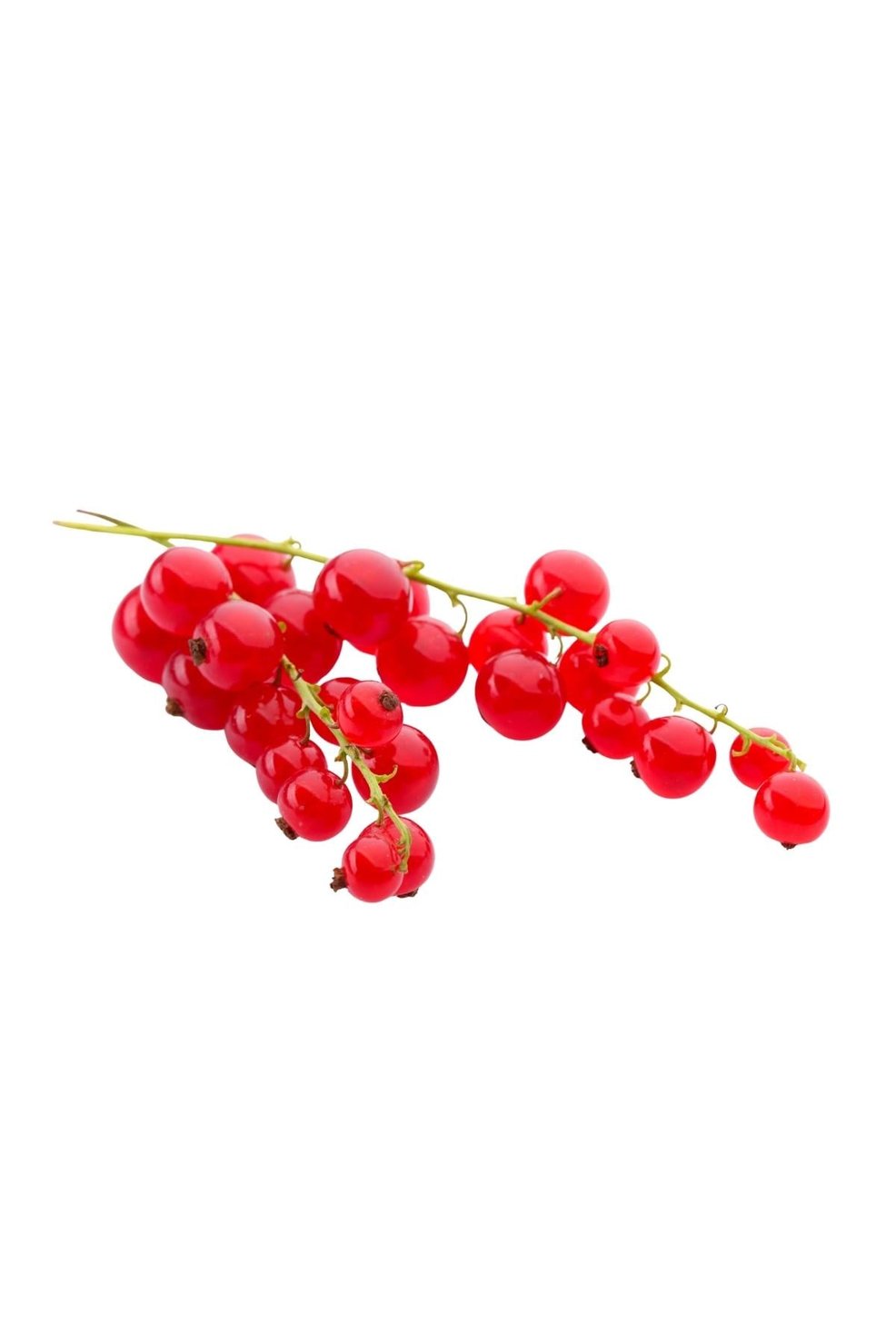
You can access our product by clicking on the image above.
How is Storage Planned on Natural Farms?
Each product requires different conditions. Therefore, a one-size-fits-all storage approach can lead to quality loss.
While products like potatoes and onions require dry and cool conditions, tomatoes should be stored at higher temperatures. Vacuum packaging, controlled atmosphere packaging, and insulation with natural materials make the post-harvest product preservation process safer. Planning supported by labeling and stock tracking extends shelf life while also reducing waste.
Critical Points to Consider in Chemical-Free Storage
Hygiene in storage areas is the most critical point for chemical-free systems. Glove use, regular cleaning, and pest control significantly reduce the risk of product contamination.
Furthermore, not every product is resistant to low temperatures. Strawberries, cucumbers, and some tropical fruits may experience "chilling injury." Therefore, the preservation plan without pesticide residue should be shaped according to the product's physiological structure.
Pesticide-Free Storage: Suitable Transportation and Shipment Strategies
The transportation process, as much as storage, directly affects quality. Storage types can vary according to time.
The Importance of the First Hour After Harvest
The first hour after harvest determines the fate of the product. Failure to pre-cool during this period can lead to irreversible quality losses. Breaking the cold chain at this stage also weakens the goal of preservation without pesticide residue.
Cold Chain Compatible Logistics and Package Design
It is crucial that transport crates allow air circulation, that products are not pressed against each other, and that packaging materials are natural. Correct package design increases both product safety and shipment efficiency.
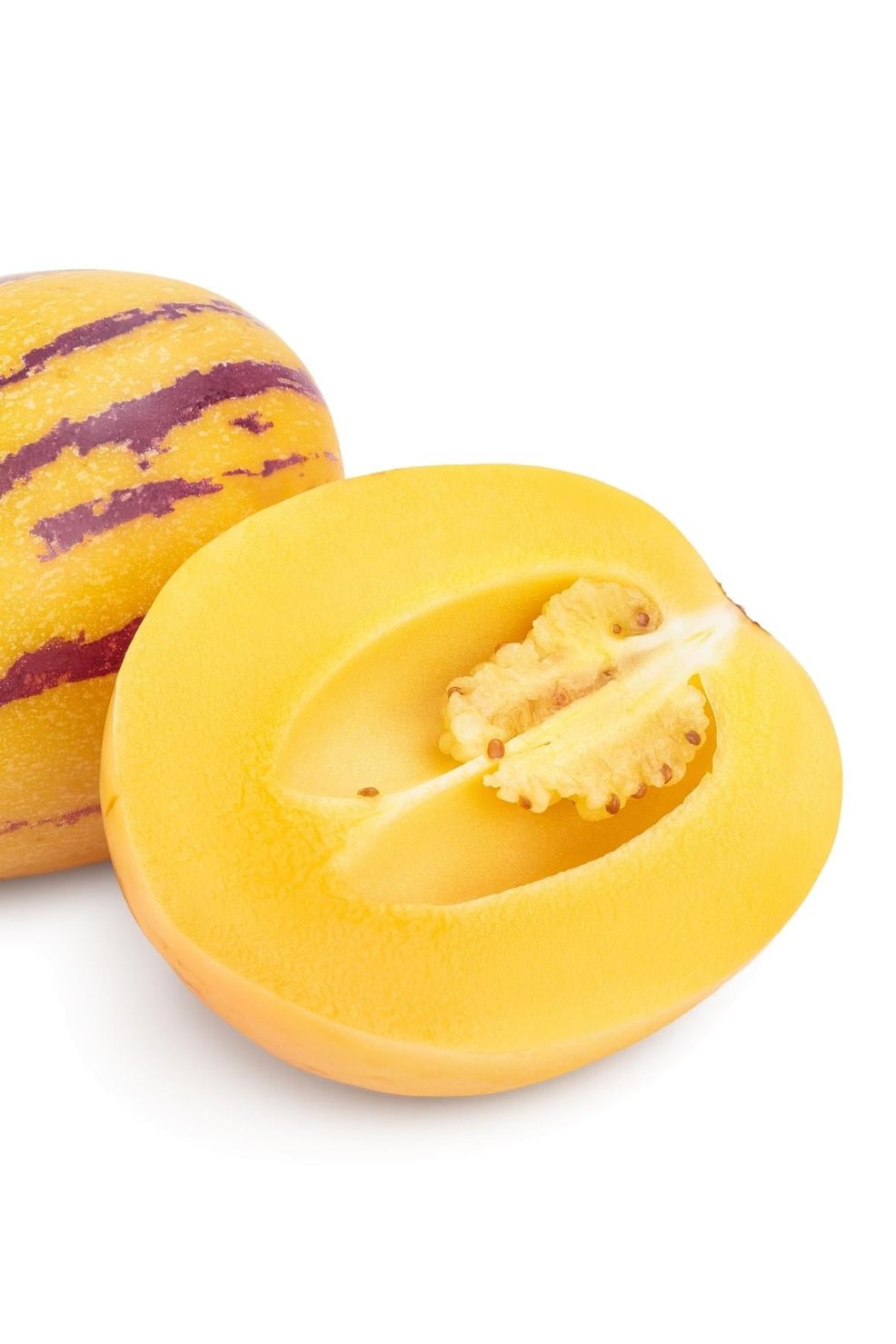
You can access our product by clicking on the image above.
Documentation and Sharing Process that Gives Confidence to Natural Product Consumers
Transparency is the strongest element of trust in the healthy food sector. There are situations that producers and consumers pay attention to in this process.
Sharing Residue Analysis Reports
Analysis reports provided with products create consumer loyalty, especially in online sales. Antalya Natural Farm is among the exemplary applications that support this transparency by sharing analysis results with consumers.
The secret of healthy food lies not only in the field but in every step taken after harvest. Preservation without pesticide residue becomes possible with conscious planning, correct technology, and transparent communication. Every practice that protects nature actually forms the basis of the trust that comes to the table.
Check out our previous article: What are the Benefits of Grapefruit? What is Grapefruit Good For?