


How to Use Turmeric for Joint Pain?

How to Use Turmeric for Joint Pain?
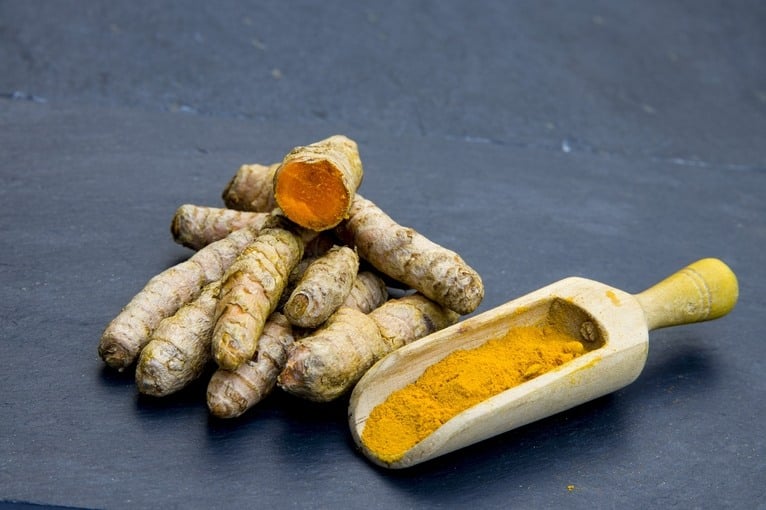
Joint pain is a condition that directly affects the quality of life for many people. At this point, turmeric is one of the first things that comes to mind for those who want to support their body with ingredients from their kitchen. The main reason for this is that the natural compound called curcumin, found in turmeric, can play a supportive role in processes related to inflammation. One of the points to note here is that turmeric is not a cure, but a supportive food when used correctly and regularly.
Why is Turmeric Associated with Joint Pain?
There is usually not a single cause underlying joint pain. Factors such as cartilage wear with age, inactivity, excessive weight gain, and irregular sleep play a role together. Turmeric stands out here due to its curcumin content, known for its antioxidant and anti-inflammatory properties. The most common mistake when applying this effect to daily life is the thought of "the more I consume, the better." However, what is truly important in turmeric is the right combination and regular use.
Absorption of Turmeric in the Body
The curcumin in turmeric is difficult for the body to absorb on its own. Therefore, supporting turmeric with small touches, rather than just adding it to hot water, is a much more sensible approach. When consuming turmeric, two small details should not be forgotten:
- Black pepper: Increases the absorption of curcumin thanks to the piperine it contains.
- Fat: Curcumin is a fat-soluble compound. Olive oil, coconut oil, or yogurt are better utilized by the body when taken with fat-containing foods.
How to Use Turmeric for Joint Pain?
For those who want to benefit from turmeric for joint pain, the most important issue is in what form, when, and with what this spice should be consumed. Turmeric alone does not offer strong support; its effect is greater when combined correctly and made part of a regular routine. Therefore, the method of use should be planned according to the person's daily habits, stomach sensitivity, and the intensity of the pain. The table below allows you to see the methods of using turmeric for joint pain comparatively.
|
Method of Use |
How to Consume? |
Who is it Suitable For? |
Things to Consider |
| Adding to meals | Added to soups, olive oil vegetables, legumes, or rice after cooking | Those who want regular use in daily diet | Should be consumed with black pepper and fat |
| Turmeric tea | Turmeric, optionally ginger and black pepper, added to hot water | Those seeking mild support, those who like hot drinks | Those with stomach sensitivity should start with a low dose |
| Turmeric at night before bed | Consumed in the evening, mixed with warm milk or plant-based milk | Those experiencing morning joint stiffness | Should not be consumed on an empty stomach |
| Ginger turmeric honey mixture | Mixed in a warm environment and taken as a single serving | Those seeking support during seasonal transitions | Honey should not be added to hot mixtures |
| Turmeric root (fresh) | Grated and added to salads or teas | Those who prefer natural form | Quantity should be used in a controlled manner |
Consuming by Adding to Meals
One of the most natural and long-term methods within daily nutrition is to add turmeric to meals. Soups, olive oil vegetable dishes, lentils, or chickpeas are very suitable for this use. It is sufficient to add it after cooking and use a pinch of black pepper. This method makes turmeric a natural part of the diet, rather than a "cure."
Consuming as Turmeric Tea
Turmeric tea is a suitable option, especially for those who like to consume hot beverages during the day. For those seeking support for joint pain, it offers a moderate use without straining the stomach. A simple turmeric tea recipe is as follows:
Ingredients:
- 1 cup hot water
- Half a teaspoon of ground turmeric
- 1-2 thin slices of fresh ginger (optional)
- A pinch of black pepper
Preparation:
After preparing the mixture, let it cool for a few minutes; at this stage, adding lemon balances the aroma and makes it less harsh on the stomach. Consuming it lukewarm prevents turmeric from irritating the throat and makes it easier to drink. Consuming 1-2 cups a day in your daily routine is sufficient; consuming more will not increase the effect, on the contrary, it may cause stomach sensitivity.
Turmeric Consumption Before Bed
Consuming turmeric before bed especially interests those who experience morning stiffness. This is because the body undergoes a self-repair process throughout the night. Turmeric consumed in the evening, after a meal and in a light dose, may help some people feel morning joint stiffness less intensely. At this point, "golden milk" style drinks prepared with turmeric milk or plant-based milk are preferred. What is important here is:
- Not consuming on an empty stomach
- Not overdoing the amount of black pepper
- Starting with a low dose if you have stomach sensitivity.
Ginger Turmeric Honey Mixture
The ginger turmeric honey mixture, often preferred in cold weather or during seasonal transitions, can be used for both immune support and joint comfort. A practical mixture suggestion is as follows:
- 1 teaspoon honey
- Half a teaspoon of turmeric
- Half a teaspoon of grated fresh ginger
- A pinch of black pepper
Consuming turmeric-containing drinks lukewarm, rather than very hot, protects both the stomach and throat and makes digestion more comfortable. Also, instead of seeing turmeric as a one-time cure with high expectations; positioning it as a small but regular part of the daily diet is a more sustainable and safe approach. In this way, a supportive effect is aimed over time without creating sudden stress on the body.
Are Turmeric Benefits Limited to Joint Health?
The benefits of turmeric are not limited to joints alone. Thanks to its antioxidant content, it supports the immune system, can contribute to easier functioning of the digestive system, and can help reduce the overall inflammatory load. Therefore, turmeric is considered part of a holistic healthy living approach.
Who Should Be Careful When Consuming?
Not every natural product may be suitable for everyone. When consuming turmeric, certain groups should be especially careful:
- Those using blood thinners
- Those with gallstones or severe stomach sensitivity
- Those who are pregnant or breastfeeding
- Those on regular medication
For these groups, turmeric use must be planned with the advice of a healthcare professional. Conscious use under expert supervision minimizes potential risks while safely benefiting from the supportive effects of turmeric.
For joint pain, turmeric, when used correctly, can be a natural aid that supports daily life. The key here is dose, regularity, and quality. Using turmeric not with miraculous expectations, but as a clean-content, reliably sourced spice and a natural part of the diet works in the long run. For those who see naturalness not as a trend but as a lifestyle, turmeric can be a small but noticeable touch in the kitchen.
Also check out our previous article: What are the Benefits of Ginger, How is Ginger Consumed?