


What Are Pesticides? Pesticide Residues in Food and Health Risks

What are Pesticides? Pesticide Residues in Food and Health Risks
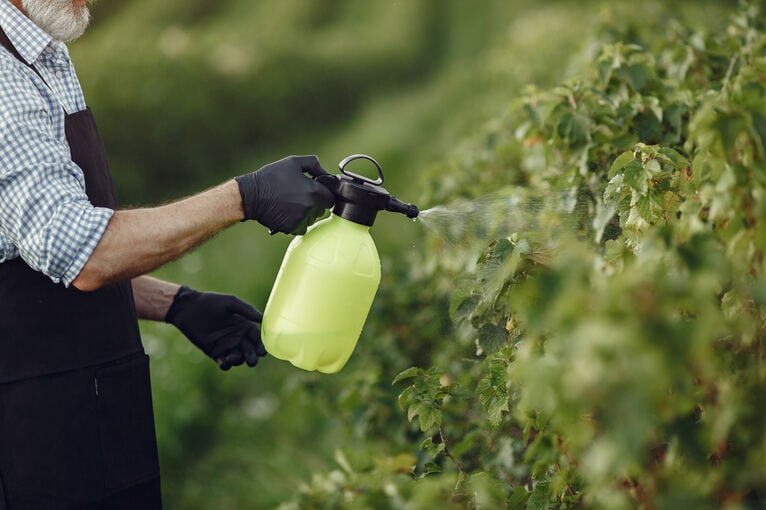
Behind every vegetable and fruit that reaches our plate, there's an invisible yet controversial factor: pesticides. These chemicals, used to increase agricultural yield and protect crops from pests, can pose serious risks to both the environment and human health if used improperly or without controlled application.

You can access our product by clicking on the image above.
What are Pesticides and Why Are They Used?
Pesticides are chemical or biological substances used to control organisms such as insects, fungi, bacteria, weeds, rodents, and similar pests that harm plants. Their primary purposes are:
- - To protect against pests that cause yield loss
- - To prevent the spread of diseases that threaten harvests
- - To protect products from spoilage during storage, transport, and sales processes
Their use is not limited to fields; it also includes pest control in homes, garden spraying, weed control in parks and gardens, and the fight against algae and aquatic weeds in waterways. This means that exposure to pesticides is not limited to those "working in the field"; consumers living in urban areas can also encounter these chemicals through food, water, and environmental contact.
How Do Pesticide Residues Form in Food?
Pesticides used in agriculture can penetrate the surface or tissue of plants, leaving residues even after harvest. The main reasons for pesticide residues in food are:
- - If the time products need to remain on the branch after spraying is shortened, the risk of residues increases.
- - Failure to comply with the dose and application intervals specified on the label increases the amount accumulated in the plant.
- - Water-resistant or oil-based formulations can remain on the plant surface for longer periods.
- - Some products (e.g., leafy vegetables, thin-skinned fruits) are more prone to absorbing chemicals.
- - Residues on the surface are retained if products are not cleaned properly before consumption.
Not only plant products but also foods derived from animals exposed to chemicals through feed, such as milk, meat, and eggs, can be indirect sources of residues. Furthermore, the contamination of groundwater and surface water can lead to these chemicals reaching humans through the water cycle.

You can access our product by clicking on the image above.
Effects of Pesticides on Human Health
The health effects of chemicals vary depending on the dose exposed, the duration of exposure, the type of pesticide used, and individual characteristics such as age and physiological status. Effects are generally categorized into two groups: acute (short-term) and chronic (long-term).
Acute Effects (Short-Term)
Exposure to high amounts of pesticides in a short period is particularly common among agricultural workers and individuals involved in spraying. The following symptoms are situations requiring urgent intervention due to chemical poisoning:
- - Headache, dizziness, nausea, and vomiting
- - Burning and watery eyes
- - Burning sensation in the nose and throat, coughing
- - Redness, itching, rash on the skin
- - Excessive sweating, fatigue
- - In severe cases, difficulty breathing, muscle cramps, and confusion
Chronic Effects (Long-Term)
Lower doses but long-term exposure can lead to more insidious and delayed problems. Some of the long-term effects include:
- - Numerous studies are being conducted on pesticides linked to neurodegenerative diseases such as Parkinson's and Alzheimer's.
- - Some chemicals act as "endocrine disruptors" and can interfere with the functioning of hormones like estrogen and testosterone.
- - Pesticides have been associated with infertility, increased risk of miscarriage, and impaired sperm quality.
- - Many epidemiological studies suggest a link between long-term chemical exposure and various types of cancer, including leukemia, lymphoma, prostate, breast, lung, pancreatic, and bladder cancer.
- - Increased susceptibility to autoimmune diseases and infections is one of the important topics in chronic exposure discussions.
Why Are Children, Pregnant Women, and Sensitive Groups More at Risk?
Children, infants, pregnant women, individuals with weakened immune systems, and those with chronic illnesses are considered more susceptible to the potential adverse effects of chemicals. The reasons for this are, in summary:
- - The continued development of organs and the nervous system in children,
- - Their consumption of more food and water relative to their body weight,
- - Their living closer to the ground and having more contact with the outdoor environment (parks, gardens, playgrounds),
- - The fetus's developmental process during pregnancy being sensitive to chemical effects.

You can access our product by clicking on the image above.
Methods to Reduce Pesticide Exposure at Home
Many people try to protect themselves from chemical residues by washing fruits and vegetables or by peeling them. While these methods are important, even with clean water and proper washing, it's not always guaranteed that all residues will be completely eliminated. At this point, if possible, shopping from reliable suppliers who produce without pesticides, conduct regular analyses, and ensure residue control is the most effective way to reduce exposure. Antalya Doğal Çiftlik (Antalya Natural Farm) subjects all its fruit and vegetable products to pesticide analysis in independent laboratories before offering them for sale.
Why Are Such Reliable Suppliers Important?
Especially for sensitive groups like children, pregnant women, and the elderly, if minimizing the risk of pesticide exposure is aimed, choosing a supplier with laboratory analysis and traceability is crucial. This way, both personal health is protected, and sustainable, transparent production models can be supported.
Additional Recommendations for Safe Consumption
It's difficult to estimate how much chemical exposure each food item entering your home has had. Therefore, there are some points to pay attention to. These are briefly as follows:
- - Prefer seasonal and as local as possible products: Off-season and products from very distant geographies may require intensive preservation.
- - Emphasize food diversity: Consuming the same product constantly can increase the risk of chronic exposure to the same type of chemical.
- - Consider organic or certified good agricultural practice products: Certification indicates that certain analyses and inspections have been passed.
- - Choose trusted producers and brands: Producers like Antalya Doğal Çiftlik, who regularly conduct pesticide analyses and transparently share their results, provide extra assurance for food safety.
The Importance of Pesticide Analysis and Legal Controls
Laboratory tests conducted to determine chemical residues in food are called pesticide analysis . Through these analyses:
- - It is determined whether products exceed the maximum residue limits specified in regulations,
- - Whether multiple chemical active substances are present together,
- - Whether unauthorized substances have been used.
A food safety management system supported by periodic analyses ensures that producers fulfill their responsibilities and reduces consumer risks. On the consumer side, choosing products that have been analyzed, certified, and have high traceability is important for a healthy diet.