


Pesticide Removal: How to Clean Off Pesticide Residue?

Pesticide Cleaning: How to Clean Pesticide Residue?
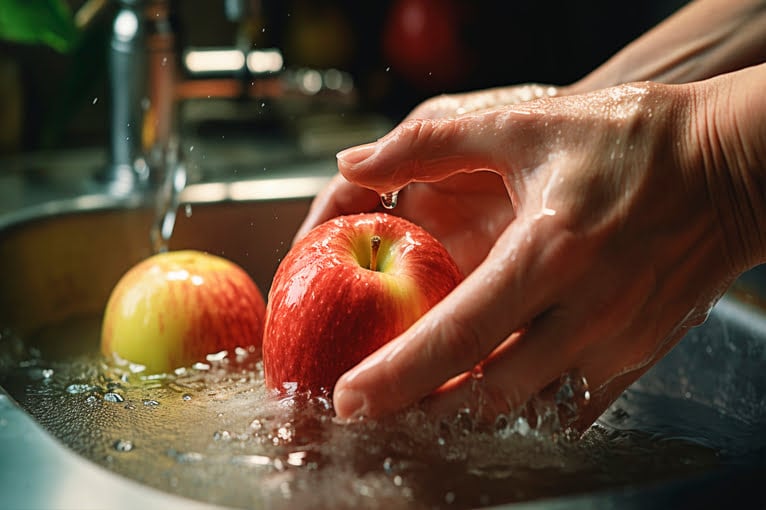
Fruits and vegetables, which form the basis of daily nutrition, are indispensable parts of a healthy life. However, pesticides used in the agricultural production process can leave residues on these foods. Especially for families with small children and individuals who care about healthy eating, pesticide cleaning is an important issue not only for hygiene but also for long-term health.
You can access our product by clicking on the image above.
What are Pesticides and Why Should They Be Cleaned?
Pesticide is the general name for chemical substances used to protect agricultural products from insects, fungi, weeds, and harmful microorganisms. Although it increases agricultural yield, it can leave residues on the product surface or, in some cases, within the internal tissue after harvest. For this reason, pesticide cleaning is an issue that should not be overlooked, especially for children during their developmental stages.
Reasons for Pesticide Residue Formation in Foods
There can be many reasons for pesticide residue formation. Some of these are as follows:
- - Excessive use of agricultural pesticides beyond recommended doses
- - Failure to observe the pre-harvest waiting period
- - Spraying at the wrong time
- - Contamination from neighboring fields due to wind and environmental factors
Potential Effects on Human Health
It is known that long-term and low-dose exposure to pesticides can increase the following risks. Although the following effects do not apply to everyone, pesticide removal practices become important for individuals in risk groups:
- - Hormonal imbalances
- - Immune system problems
- - Allergic reactions
- - Neurological developmental disorders
- - Carcinogenic effects in some types of pesticides
Most Effective Methods for Pesticide Cleaning
Pesticide cleaning cannot be 100% achieved with a single method; however, when correct techniques are applied together, the amount of residue can be significantly reduced. The method to be applied should be chosen according to the peel structure and surface properties of the product.
Is Washing with Running Water Really Sufficient?
Washing fruits and vegetables by scrubbing them under running water for at least 30 seconds helps remove surface dust and dirt, as well as some pesticide residues. Especially for leafy vegetables, it is important to wash each leaf separately. However, this method alone is not sufficient for surface-adhered or systemic pesticides.
Cleaning with Baking Soda and Vinegar
One of the most frequently preferred methods at home is baking soda or vinegar water. Cleaning with baking soda and vinegar is recommended as follows:
- - Add 1 tablespoon of baking soda to 1 liter of water
- - Add 3 tablespoons of natural vinegar to 1 liter of water
- - Let the products soak for 15-20 minutes and then rinse thoroughly with plenty of water
Baking soda can be effective in dissolving some types of pesticides from the surface. Vinegar, on the other hand, contributes more to reducing the microbial load.
Washing Method with Salt Water
Fruits and vegetables are soaked for approximately 10 minutes in a mixture prepared by adding 1 tablespoon of rock salt to 1 liter of water. Salt water can help dissolve some residues by reducing surface tension. However, it is not sufficient for pesticide cleaning alone.
Ozonated Water and Ultrasonic Cleaning
In recent years, ozonated water and ultrasonic cleaning methods, which can be applied with home-use devices, can show high performance under laboratory conditions. When used under appropriate conditions, the pesticide removal rate can increase; however, the same effect should not be expected for every type of pesticide.

You can access our product by clicking on the image above.
Protection Against Pesticide Residue with Organic Methods
For consumers who embrace a natural lifestyle, organic cleaning methods offer both environmentally friendly and economical solutions. These methods help reduce pesticide residues remaining on the surface.
Homemade Mixtures
It is possible to clean chemical residues at home to a certain extent. Some of the methods that can be prepared at home are as follows:
- - Citric acid + water solution
- - Apple cider vinegar + baking soda (sequential use)
Natural Antibacterial Supports
Essential oils such as mint, thyme, and eucalyptus exhibit antibacterial properties, but they should not be considered as the primary method for direct pesticide cleaning, but rather as supportive measures.
Fruits and Vegetables with the Most Pesticide Content
Some products, due to their structural characteristics, may retain more pesticide residues. These fruits and vegetables are as follows:
| Product Group | Why is it Risky? |
|---|---|
| Strawberries | Thin skin, porous structure |
| Apples | Waxy layer adhering to the surface |
| Spinach | Leafy and indented structure |
| Grapes | Small surface area, intensive spraying |
Products with Relatively Low Pesticide Levels
Compared to other products, shelled products are relatively less likely to contain pesticides. Some of these are as follows:
- - Avocado
- - Pineapple
- - Banana
- - Thick-skinned fruits that are peeled before consumption
In addition, brands that adopt a pesticide-free production approach, sourced from reliable producers like Antalya Natural Farm, can make a difference in this regard. You can safely shop from Antalya Natural Farm, which also sends analysis reports with its products.
How Can Consumers Protect Themselves More Effectively from Pesticides?
Pesticide cleaning is not limited to washing; it should be supported by conscious consumption habits. Choosing organic products is one of them:
- - Check organic certification information on labels.
- - Prefer seasonal and local produce.
- - Choose reliable producers and brands that adopt transparent agricultural practices.
Common Mistakes in Pesticide Cleaning
There are some situations that need attention when cleaning pesticides from fruits and vegetables. These are generally as follows:
- - Thinking that washing with water alone is sufficient
- - Washing with soap or detergent
- - Soaking in vinegar or salt water for too long
- - Peeling shelled products without washing them
- - Believing that a single method will clean all pesticides
Is Washing with Chemical Cleaning Products Healthy?
Soap and detergent residues pose additional risks to food safety and are not recommended. Your products should not be washed using chemical substances.

You can access our product by clicking on the image above.
Long-Term Importance of Protection Against Pesticide Residues
Long-term exposure to pesticides, especially in children, can pave the way for problems such as learning difficulties, weakened immune systems, and hormonal disorders. For this reason, pesticide cleaning, when made a daily habit, provides significant long-term protection.
While it may not be possible to make fruits and vegetables completely risk-free, the risk can be largely reduced with proper pesticide cleaning methods. Conscious choices, correct washing techniques, and reliable producers make healthy eating habits sustainable.
Also check out our previous article: What are Pesticides? Pesticide Residues in Foods and Health Risks