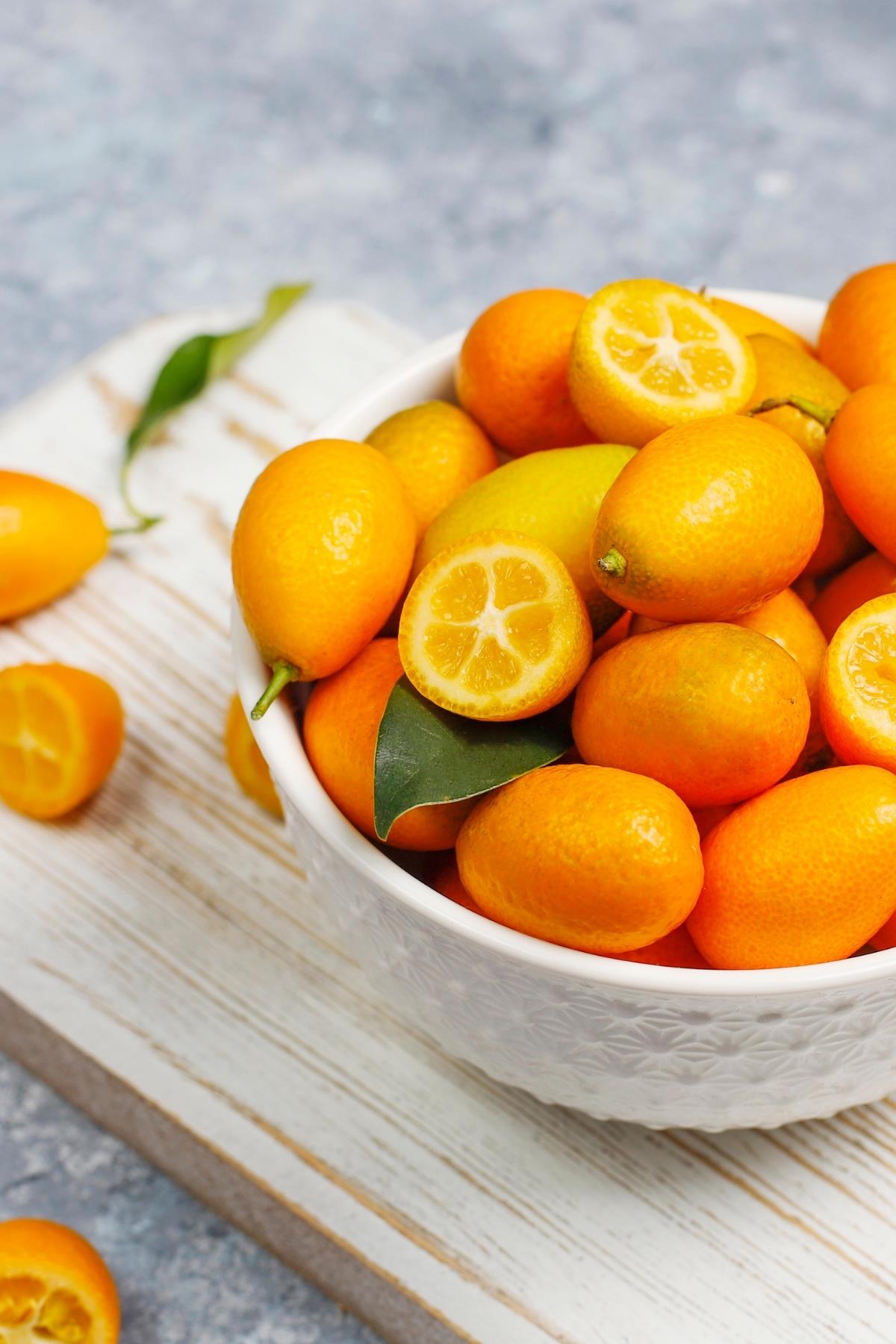
The kumquats cultivated at Antalya Natural Farm are produced without the use of any chemical pesticides or agricultural chemicals, respecting nature's own cycle. From soil to harvest, all processes adhere to principles of 100% natural, local production, non-GMO, and traceable farming. Thanks to this approach, kumquats reach tables safely with their aroma, edible peel, and high nutritional value. Quality standards are maintained throughout the production process, and product safety is supported by a certified production approach.
Kumquat Nutritional Value and Benefits
Kumquat is a citrus fruit rich in vitamins and fiber, despite its low-calorie content. The average nutritional values for 100 grams of fresh kumquat are as follows:
| Nutrient |
100 g |
| Energy |
71 kcal |
| Carbohydrate |
15.9 g |
| Protein |
1.9 g |
| Fat |
0.9 g |
| Fiber |
6.5 g |
| Vitamin C |
43.9 mg |
| Vitamin A |
290 IU |
| Potassium |
186 mg |
| Calcium |
62 mg |
Benefits of Kumquat
Kumquat, with its low-calorie content, offers various benefits. Some of its prominent benefits include:
- Contributes to the regular functioning of the digestive system thanks to its fiber content.
- Supports the immune system due to its richness in Vitamin C.
- Being edible with its peel increases antioxidant intake.
- Suitable for balanced diets thanks to its low glycemic load.
- The flavonoids it contains help protect cells against oxidative stress.
What is Kumquat Good For?
Kumquat is especially known for its positive effects on the immune system. When consumed regularly and in moderation, it supports the body's defense mechanisms, contributing to a more resilient structure during seasonal transitions.
From a digestive system perspective, its high fiber content supports bowel movements and can help reduce feelings of bloating. Additionally, thanks to its antioxidant components, it supports skin health, contributing to a more vibrant and balanced skin appearance. In scientific literature, the antioxidant capacity and Vitamin C content of citrus fruits are cited as important factors supporting these effects.
What Desserts / Dishes are Made with Kumquat?
Thanks to its sweet-and-sour aroma, kumquat can be easily used in both desserts and savory recipes. Rich recipes can be created by combining it with different fruits and vegetables.
| Recipe Name |
Brief Description |
| Kumquat Jam |
Intensely aromatic breakfast spread |
| Kumquat Cake |
Refreshing citrus aroma |
| Kumquat Marmalade |
Cooked with its peel |
| Kumquat Salad |
Arugula and pomegranate harmony |
| Chicken with Kumquat Sauce |
Sweet and sour flavor |
Buy Kumquat Online
For those who wish to safely procure pesticide-free kumquats delivered from nature to their table, Antalya Natural Farm offers a transparent and reliable shopping experience from production to delivery. Products that maintain their naturalness and freshness are delivered to your door with careful packaging.
Kumquat Storage Conditions
To preserve the freshness of kumquat, it should be stored in a cool, dry place away from direct sunlight. It is recommended to store it in the vegetable drawer of the refrigerator, in a breathable container. Maintaining balanced humidity helps prevent the fruit's peel from softening and spoiling. When stored under appropriate conditions, it can retain its aroma and nutritional value for a long time.
Kumquat Shelf Life
Fresh kumquat can maintain its freshness for an average of 10–14 days after harvest, under appropriate storage conditions. This period shortens when kept at room temperature, while refrigeration extends its shelf life. Cut or processed kumquat products should be consumed within a shorter period.
Where to Buy Kumquat?
Certified natural, pesticide-free kumquat can be safely purchased through Antalya Natural Farm's official website. Being locally produced, it is both a fresh and sustainable choice.
How to Consume Kumquat?
Kumquat can be eaten raw with its peel. Thanks to its sweet-and-sour balance, it can be added to salads, yogurt mixtures, or used as a snack. It is also used cooked in jams, marmalades, and sauces. For daily consumption, 3–5 kumquats are considered sufficient. When consumed with cheese, walnuts, and leafy green vegetables, it provides a harmonious flavor combination.
Kumquat Production Process / From Farm to Table
Kumquat production at Antalya Natural Farm is carried out in accordance with pesticide-free farming principles. Soil health is preserved, natural fertilization methods are preferred, and a sustainable agriculture approach is adopted. Harvesting is done during the fruit's natural ripening period, and products are delivered to tables with minimal processing. This approach supports both product quality and environmental sustainability.
Frequently Asked Questions About Kumquat (FAQ)
How to Eat Kumquat?
Kumquat is usually eaten with its peel; its peel is sweetish, while its inside has a slightly sour aroma. It can be eaten raw, added to salads, or used in making jam and marmalade, or in sweet-and-sour recipes.
Does Kumquat Raise Blood Pressure?
Kumquat, thanks to its potassium content, can contribute to balancing blood pressure and does not, on its own, cause an increase in blood pressure. However, it is recommended that individuals with blood pressure conditions consume kumquat in moderation and a balanced way, as with any food.
Can Kumquat Be Eaten Raw?
Kumquat can be easily eaten raw, and in this way, one can best benefit from its vitamin content. Eating it with its peel increases fiber and antioxidant intake.
What Does Kumquat Taste Like?
Kumquat's taste is different from other citrus fruits; its peel is slightly sweet, and its inside is sour and refreshing. This sweet-and-sour balance makes kumquat usable in both sweet and savory recipes.
Kumquat Analysis Report:
Report Date: 18.11.2025
Report Link: https://static.ticimax.cloud/73652/uploads/dosyalar/p-25-04388.pdf
REFERENCES:
U.S. Department of Agriculture. (2023). FoodData Central: Kumquat, raw. U.S. Department of Agriculture, Agricultural Research Service.
Harvard T.H. Chan School of Public Health. (2022). The Nutrition Source: Citrus fruits and health. Harvard University.
World Health Organization. (2023). Potassium intake for adults and children. World Health Organization.
Slavin, J. L. (2013). Dietary fiber and body weight. Nutrition, 29(1), 31–35.
Kaur, C., & Kapoor, H. C. (2001). Antioxidants in fruits and vegetables – the millennium’s health. International Journal of Food Science & Technology, 36(7), 703–725.