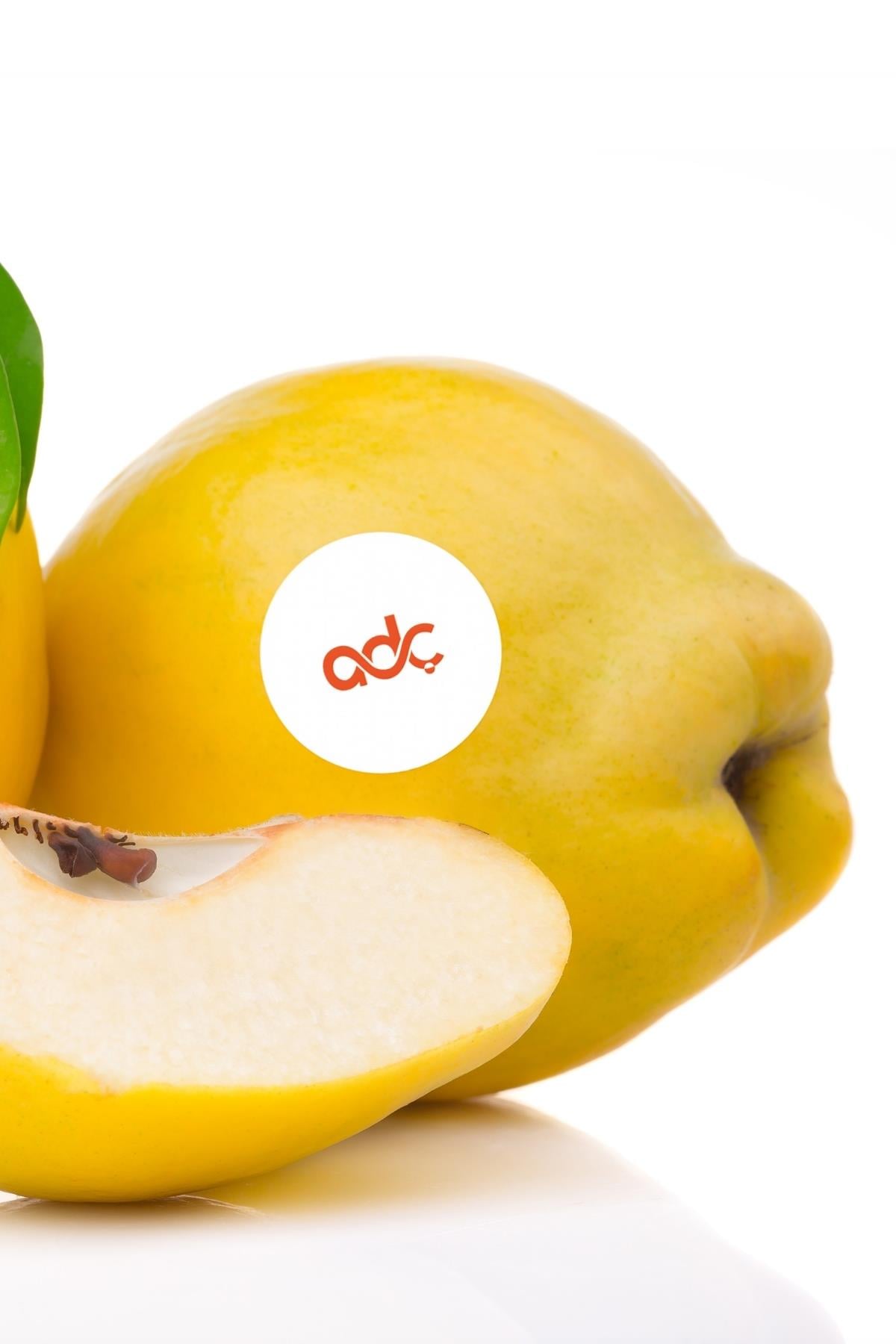
Pesticide-Free Quince
Couldn't load pickup availability
Kargo çıkışı pazartesi–perşembe · Cuma, cumartesi ve pazar kargo yok
- Analiz raporu
- Güvenli ödeme
- 7 gün iade
Ürün hakkında
Pesticide-free Natural Quince is grown using completely natural methods in line with the pesticide-free agricultural principles of Antalya Natural Farm. No synthetic pesticides, chemical fertilizers, or growth regulators are used in the production process; the quinces are harvested in season after they have completed their natural ripening period. This approach, which supports local production, aims to protect both product quality and the natural balance of the soil.
Grown with a 100% natural, GMO-free, and traceable production philosophy, these quinces are a reflection of Antalya Natural Farm's sustainable agriculture philosophy. This transparent process, extending from field to table, offers a strong alternative for consumers in search of reliable and real food.
Quince Nutritional Value and Benefits
Quince is a fruit frequently preferred in balanced nutrition programs due to its low-calorie structure and high fiber ratio. The average nutritional values for 100 grams of quince are as follows:
| Nutrient | 100 g |
|---|---|
| Energy | 57 kcal |
| Carbohydrate | 15 g |
| Protein | 0.4 g |
| Fat | 0.1 g |
| Fiber | 1.9 g |
| Vitamin C | 15 mg |
| Potassium | 197 mg |
| Iron | 0.7 mg |
Benefits of Quince
Thanks to this nutritional profile, quince both supports daily fiber needs and contributes to the vitamin-mineral balance. The prominent benefits of quince are as follows:
- Helps the digestive system function regularly.
- Contains fiber that supports bowel movements.
- Strengthens the immune system with its antioxidant components.
- Contributes to balanced nutrition with its satiating properties.
- Contains vitamins that support skin health.
What is Quince Good For?
Quince is particularly known for its positive effects on the digestive system. The soluble fibers in its content help regulate stomach and intestinal movements, while offering a soft fruit alternative for individuals with sensitive digestive systems. In traditional dietary culture, the stomach-soothing effects of quince have been frequently utilized.
From the perspective of the immune system, the Vitamin C and natural antioxidants found in quince support the body's defense mechanisms. When consumed regularly and in a balanced manner, it can contribute to maintaining immune resistance during seasonal transitions. Furthermore, the vitamins and minerals contained in quince help support skin health and cell regeneration.
What Desserts / Dishes are Made with Quince?
Quince is a versatile fruit that can be used in both sweet and savory recipes. Nutritious recipes can be prepared by combining it with different fruits and nuts.
| Recipe Name | Brief Description |
|---|---|
| Quince Dessert | Classic baked dessert |
| Quince Compote | Light beverage |
| Quince Jam | Natural breakfast item |
| Quince and Apple Dessert | Fruit mix |
| Quince and Pumpkin Dessert | Winter dessert |
Buy Quince Online
Order now for pesticide-free Quince delivered from nature to your table. Carefully packaged under the assurance of Antalya Natural Farm, the products are delivered to your door while preserving their freshness.
Quince Storage Conditions
To ensure quince maintains its freshness for a long time, it is recommended to store it in a cool, dry environment away from direct sunlight. While it can be kept at room temperature for a short time, the vegetable compartment of the refrigerator is ideal for longer-term storage.
High humidity should be avoided, and quinces should not be stacked in a way that creates pressure on top of each other. When these conditions are met, the aroma and texture of the quince can be preserved for longer.
Quince Shelf Life
Fresh quince maintains its edibility for an average of 2–4 weeks under proper storage conditions. The shelf life of quinces kept in the refrigerator is longer than at ambient temperature. It is recommended that cut quinces be consumed quickly.
Where to Buy Quince?
For consumers seeking organically certified and pesticide-free products, shopping from reliable sources is important. When buying quince, producers whose production process is transparent, support local production, and are committed to pesticide-free agricultural principles should be preferred.
How is Quince Consumed?
Quince can be consumed raw by slicing it, as well as added to tables by cooking or using it in desserts. Due to its slightly hard structure, it is usually preferred in cooked form, though it can be added to salads by slicing thinly.
Consuming 1 portion per day (approximately 1 medium-sized quince) is sufficient for a balanced diet. When consumed with foods such as apples, pears, cinnamon, and walnuts, it is enriched in terms of both flavor and nutritional value.
Quince Production Process / From Farm to Table
At Antalya Natural Farm, quince production is carried out in line with pesticide-free agriculture and sustainability principles. Production is performed using methods that protect the natural structure of the soil, practices that respect biological balance, and controlled irrigation processes.
After harvest, the quinces are sorted and packaged without undergoing any chemical processing and delivered directly to the consumer. This approach increases both product reliability and flavor quality.
Frequently Asked Questions About Quince (FAQ)
In Which Season Does Quince Grow?
Quince is an autumn fruit and is generally harvested between September and November. It loves temperate climates, and its aroma and nutritional value reach their highest levels when it reaches full maturity.
What Are the Benefits of Quince Seeds?
Quince seeds form a gelatinous structure when in contact with water, and due to this feature, they are known as throat soothers. In traditional use, it is accepted that they help soothe coughs and throat irritation.
Does Quince Cause Constipation?
When consumed raw, quince can increase constipation in some individuals due to the tannins it contains. However, when consumed cooked or in the form of compote, its fiber structure becomes softer and can support digestion.
How to Eat Quince?
Quince can be consumed raw by slicing it, but it is more commonly eaten cooked. When consumed as a dessert, compote, jam, or in baked form, it becomes both easier to digest and its flavor is enhanced.
Can You Eat Quince During Pregnancy?
Consuming quince during pregnancy is generally safe and may help alleviate nausea. However, it is recommended to consume it without going overboard and preferably in cooked form.
Does Quince Make You Gain Weight?
Quince is a fruit that is low in calories and high in fiber, so it does not have a weight-gaining effect on its own. When consumed in balanced portions, it can support weight control by increasing the feeling of fullness.
Quince Analysis Report:
Report Date: 25.10.2025
Report Link: https://static.ticimax.cloud/73652/uploads/dosyalar/p-25-04005.pdf
BIBLIOGRAPHY:
Baysal, A. (2019). Nutrition (15th ed.). Ankara: Hatiboğlu Publishing.
Gültekin, M., & Çelik, A. (2020). Nutritional value of fruits and vegetables and their effects on human health. Turkish Journal of Agriculture and Natural Sciences, 7(2), 312–320.
Karakaya, S. (2018). The relationship between dietary fiber, digestive system, and health. Journal of Nutrition and Dietetics, 46(1), 45–52.
Turkish Food Codex. (2017). Communiqué on fruits and vegetables. Republic of Turkey Ministry of Agriculture and Forestry Publications.
World Health Organization. (2003). Diet, nutrition and the prevention of chronic diseases. WHO Press.
Yılmaz, N., & Demir, H. (2021). The place of traditional herbal products in public health. Journal of Traditional and Complementary Medicine, 4(3), 198–206.