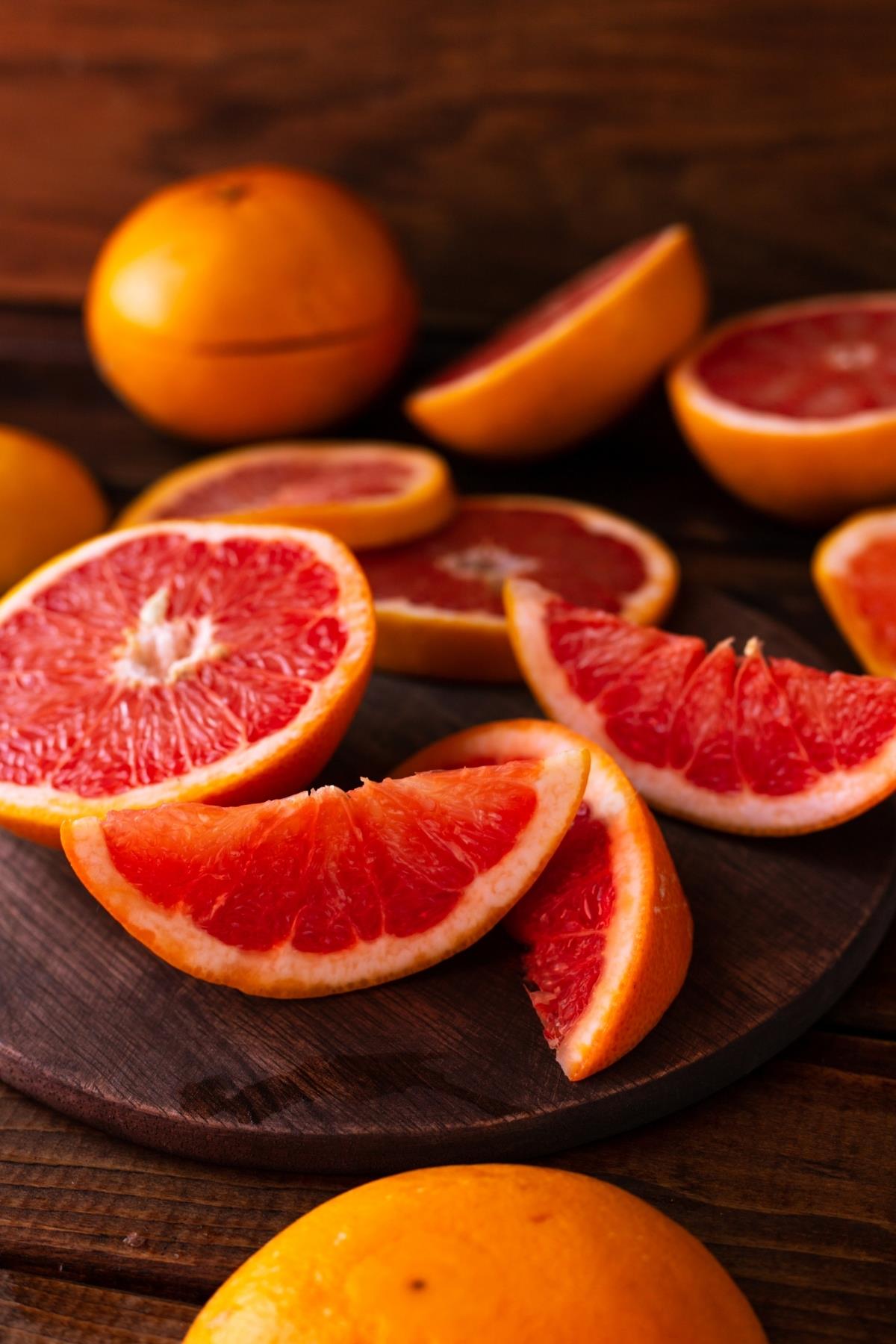
Pesticide-free grapefruit
Couldn't load pickup availability
Kargo çıkışı pazartesi–perşembe · Cuma, cumartesi ve pazar kargo yok
- Analiz raporu
- Güvenli ödeme
- 7 gün iade
Ürün hakkında
Pesticide-free, natural grapefruit, grown in the fertile soils of Antalya using non-chemical farming principles, is a product of a 100% natural and local production approach. No synthetic pesticides or GMO inputs are used in the production process; soil health, natural balance, and seasonality are the foundations. Cultivated in line with Antalya Doğal Çiftlik's philosophy of sustainable production, this product reaches your table through certified and traceable production steps.
Grapefruit Nutritional Value and Benefits
Despite its low-calorie nature, Pesticide-free Natural Grapefruit possesses a balanced nutritional profile in terms of vitamins, minerals, and fiber. When included in a daily diet, it helps keep energy intake under control while meeting the body’s essential micronutrient needs. Evaluated on a 100-gram basis, its nutritional values are presented in detail below:
| Nutrient | Amount (100 g) |
|---|---|
| Energy | 42 kcal |
| Protein | 0.8 g |
| Carbohydrates | 10.7 g |
| Fiber | 1.6 g |
| Vitamin C | 31 mg |
| Vitamin A | 46 IU |
| Potassium | 135 mg |
Benefits of Grapefruit
Pesticide-free Natural Grapefruit supports the normal functioning of the immune system thanks to its Vitamin C content. Some of its benefits include:
- Contributes to the regular functioning of the digestive system with its fiber content.
- Helps protect cells against oxidative stress due to its antioxidant components.
- Suitable for balanced diet programs with its low-calorie nature.
- Supports normal muscle function due to its potassium content.
What is Grapefruit Good For?
Pesticide-free Natural Grapefruit contains natural fibers that support the digestive system and contributes to the regulation of gastrointestinal movements. When consumed regularly and in a balanced manner, it helps strengthen the immune system thanks to the Vitamin C it contains. Antioxidant flavonoids support the body against the negative effects of free radicals.
In terms of skin health, the vitamin and phytochemical content of grapefruit can contribute to a more vibrant and balanced appearance for the skin. Scientific studies state that grapefruit has a high antioxidant capacity and that this property supports cellular protection.
What Desserts/Dishes are Made with Grapefruit?
Grapefruit is a versatile fruit that can be used in both sweet and savory recipes. The table below provides recipe examples that can be prepared with different combinations:
| Recipe Name | Combination | Meal Suggestion |
|---|---|---|
| Green Salad with Grapefruit | Avocado, arugula, olive oil | Lunch / dinner |
| Grapefruit Smoothie | Orange, carrot, ginger | Breakfast / snack |
| Fruit Salad with Grapefruit | Pomegranate, apple, kiwi | Snack |
| Baked Grapefruit | Honey, cinnamon | Dessert |
Buy Grapefruit Online
You can easily order pesticide-free, natural, and local grapefruit with the assurance of Antalya Doğal Çiftlik. Order now, and have the freshest grapefruit delivered to your door.
- Grapefruits harvested every morning are packed on the same day.
- Ships while maintaining the freshness chain.
- Special packaging used to prevent crushing during shipping.
- Safe shopping opportunity with a 7-day return guarantee.
Grapefruit Storage Conditions
To maintain the freshness of Pesticide-free Natural Grapefruit, it is recommended to store it in a cool, dry place away from sunlight. When kept in the vegetable crisper drawer of the refrigerator, it maintains its moisture balance and preserves its aroma for longer. If stored at room temperature, an area that does not receive direct light and has good airflow should be preferred.
Grapefruit Shelf Life
Under proper storage conditions, grapefruit can maintain its freshness for an average of 10–14 days after harvest. This period can be extended slightly when kept in the refrigerator.
Where to Buy Grapefruit?
For those looking for pesticide-free and reliable agricultural products, grapefruit can be obtained directly from Antalya Doğal Çiftlik. For users seeking an answer to the question "Where should organic certified products be bought?", the traceable production process and direct delivery from the producer offer a significant advantage.
How to Consume Grapefruit?
Pesticide-free Natural Grapefruit can be consumed raw by slicing it, or it can be added to salads, smoothies, and dessert recipes. It can be preferred as fresh fruit for breakfast, or as a refreshing option for snacks.
Consuming half to one grapefruit a day is generally sufficient. It can be consumed in a balanced way alongside yogurt, leafy greens, and other citrus products.
Grapefruit Production Process / From Farm to Table
Antalya Doğal Çiftlik produces grapefruit while adhering to sustainable and pesticide-free farming principles. Thanks to these methods, the grapefruit contains no chemical residues and fully retains its nutritional value:
- Natural fertilization
- Biological pest control (release of beneficial insects)
- Soil analysis
- Controlled drip irrigation
- Hand harvesting
- Maintaining freshness in the cold chain
Frequently Asked Questions (FAQ) About Grapefruit
Who Should Not Consume Grapefruit?
Because grapefruit can interact with certain medications (especially cholesterol, blood pressure, and some heart medications), it is recommended that people who use such medications regularly consult a doctor before consumption. It may cause discomfort in individuals with stomach sensitivity, reflux, or gastritis due to its acidic nature. For those with an allergic constitution, it is appropriate to try small amounts at the first consumption.
Is Grapefruit Healthier than Orange?
Although oranges and grapefruits possess similar vitamins and antioxidants, their benefits vary depending on the intended use. Grapefruit stands out in weight control and metabolism-focused diets with its lower sugar content and high antioxidant content; whereas oranges, thanks to their milder acidic structure, can be consumed more easily by those with stomach sensitivities and children.
How Much Grapefruit Should Be Eaten in 1 Day?
For healthy individuals, consuming half to one grapefruit a day is generally considered sufficient. As excessive consumption may lead to negative effects due to stomach sensitivity or drug interactions, it is recommended to pay attention to portion control.
Why Should You Not Take Pills with Grapefruit Juice?
Grapefruit juice can inhibit enzymes that break down certain drugs in the liver, increasing or decreasing the drug's effect in the blood. This poses a risk as it can cause the drug to work more strongly or ineffectively than intended. For this reason, it is not recommended to consume grapefruit juice with many medications.
Should Grapefruit Be Eaten with Salt or Sugar?
Although it is seen that grapefruit is consumed with salt or sugar due to its natural bitter taste, it is more appropriate to consume it plain from a nutritional perspective. While adding sugar can raise blood sugar, excessive salt consumption is also not recommended. To soften its taste, more balanced alternatives such as cinnamon or honey can be preferred.
Does Grapefruit Burn Belly Fat?
Grapefruit does not provide regional fat burning on its own; however, it can help with weight control thanks to its low-calorie nature and metabolism-supporting content. When consumed along with a balanced diet and regular physical activity, it can indirectly support the fat loss process.
Grapefruit Analysis Report:
Report Date: 18.11.2025
Report Link: https://static.ticimax.cloud/73652/uploads/dosyalar/p-25-04385.pdf
REFERENCES:
Bailey, D. G., Dresser, G. K., & Arnold, J. M. O. (2013). Grapefruit–medication interactions: Forbidden fruit or avoidable consequences? CMAJ, 185(4), 309–316.
Boeing, H., Bechthold, A., Bub, A., Ellinger, S., Haller, D., Kroke, A., Leschik-Bonnet, E., Müller, M. J., Oberritter, H., Schulze, M., Stehle, P., & Watzl, B. (2012). Critical review: Vegetables and fruit in the prevention of chronic diseases. European Journal of Nutrition, 51(6), 637–663.
Crowe, T. C., & Murray, E. (2013). Deconstructing a fruit-based diet: Grapefruit and weight loss. Nutrition Reviews, 71(3), 171–181.
U.S. Food and Drug Administration. (2022). Grapefruit juice and some drugs don’t mix. FDA Consumer Health Information.
World Health Organization. (2020). Healthy diet. WHO Guidelines.
Yao, X., Zhu, X., Pan, S., Fang, Y., Jiang, F., & Phillips, G. O. (2017). Antioxidant activity of grapefruit flavonoids and phenolic compounds. Food Chemistry, 221, 120–127.