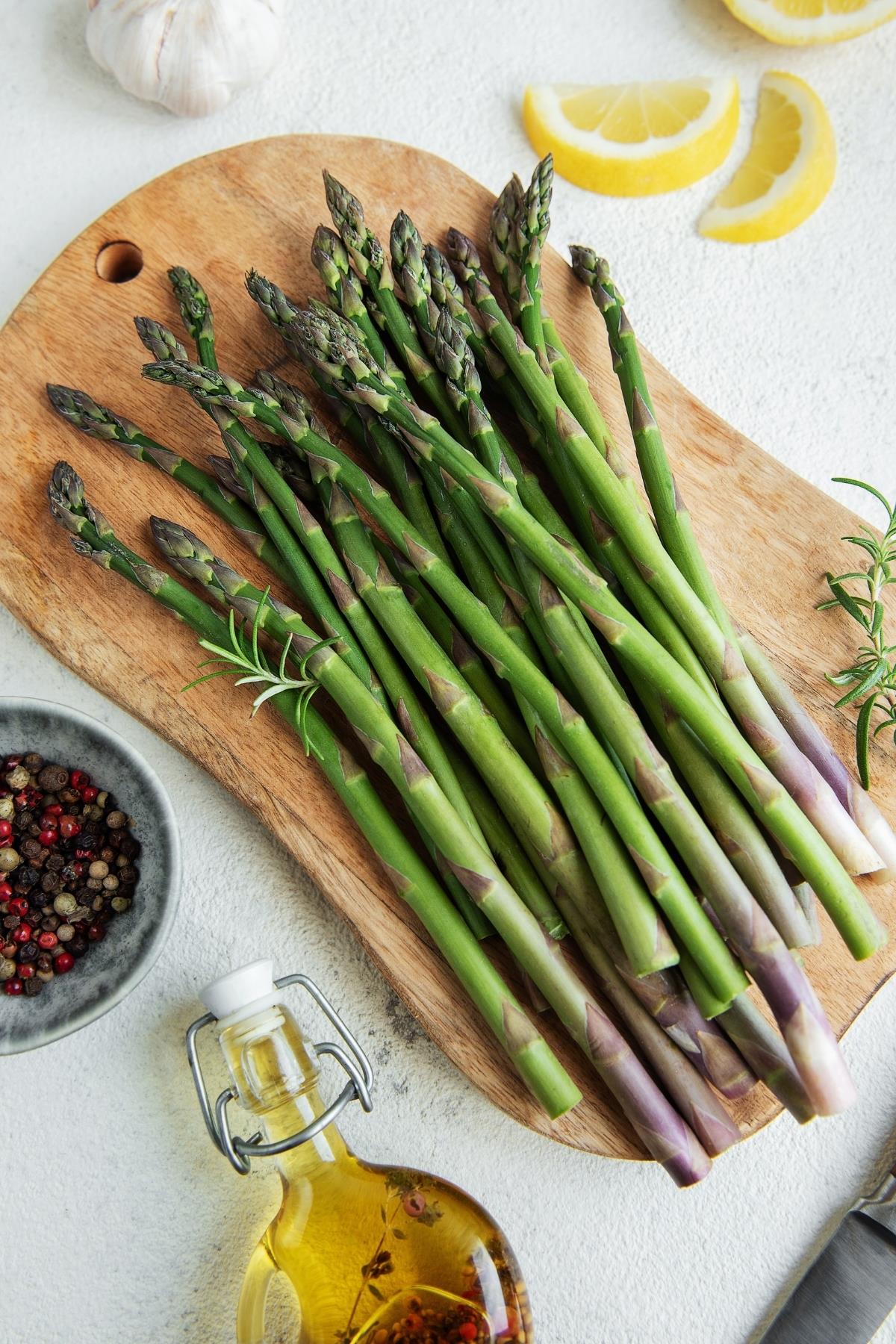
Asparagus grown in the sunny Mediterranean climate at Antalya Doğal Çiftlik is produced using completely pesticide-free farming techniques. Adhering to natural and local production principles, the product is transported from soil to table, is GMO-free, and can be safely consumed thanks to certified farming practices. Because it is ripened without the use of chemicals, it retains both its intense aroma and nutritional value. Antalya Doğal Çiftlik aims to provide fresh and nutritious products during every harvest season with an environmentally respectful approach to production.
Asparagus Nutritional Value and Benefits
Asparagus is quite rich in nutritional value. The nutritional value of asparagus is shown in the table below:
Nutritional Values (100 g)
| Nutrient |
Amount |
| Calories |
20 kcal |
| Protein |
2.2 g |
| Carbohydrate |
3.8 g |
| Fiber |
2.1 g |
| Vitamin A |
756 IU |
| Vitamin C |
5.6 mg |
| Vitamin K |
41.6 µg |
| Folate |
52 µg |
| Potassium |
202 mg |
Benefits of Asparagus
Asparagus contributes to the regular functioning of the digestive system thanks to its high fiber content. Some of the benefits of this vegetable include:
- Being rich in folate, it supports cell regeneration and energy metabolism.
- With its natural antioxidant structure, it helps protect the body against free radicals.
- Its low-calorie value allows it to be easily used in diet nutrition.
- With potassium support, it contributes to the maintenance of heart and muscle functions.
What Is Asparagus Good For?
Thanks to its fibrous structure, asparagus supports bowel movements and is beneficial for the digestive system. Being a natural source of folate, it holds an important place in daily nutrition, especially strengthening the immune system. Its vitamin C and K content supports skin health and bone development, while its low calories make it ideal for those focusing on healthy living. Its antioxidant structure supports cell regeneration and helps the body detoxify.
What Desserts / Dishes Can Be Made with Asparagus?
Asparagus pairs well with many dishes and snacks. Recipe suggestions suitable for internal linking can be created by combining it with different vegetables and fruits:
| Recipe |
Ingredients |
Serving Suggestion |
| Roasted Asparagus |
Olive oil, salt, garlic |
Can be served with meat dishes. |
| Asparagus Omelette |
Eggs, cheese, fresh herbs |
A healthy breakfast alternative. |
| Asparagus Pasta |
Fresh asparagus, cream, parmesan |
A practical recipe for lunch or dinner. |
| Asparagus Salad |
Lemon, olive oil, pomegranate seeds |
A light and refreshing consumption option. |
| Asparagus Smoothie |
Asparagus, apple or spinach |
Can be preferred as a green detox drink. |
Buy Asparagus Online
You can easily order pesticide-free, natural, and local asparagus with the assurance of Antalya Doğal Çiftlik. Order now, and the freshest asparagus will be delivered to your door.
- Asparagus harvested every morning is packaged on the same day.
- Shipment is made preserving the cold chain.
- Special packaging is used to prevent crushing during transit.
- Safe shopping with a 7-day return guarantee.
Asparagus Storage Conditions
To preserve its freshness, asparagus should be stored upright in the refrigerator, with its stem ends wrapped in a slightly damp cloth or paper towel. Maintaining moisture balance is important to prevent excessive drying. When stored away from light, between 3–6°C, it retains its freshness for a long time.
Asparagus Shelf Life
Under proper storage conditions, fresh asparagus can last for an average of 3–5 days in the refrigerator, and when cooked or blanched, it can last 2–3 days in an airtight container. For frozen use, it can be blanched and shocked, then stored for several months.
Where to Buy Asparagus?
Naturally certified pesticide-free asparagus can be safely purchased through the official website of Antalya Doğal Çiftlik. Being locally produced, it is both a fresh and sustainable choice.
How to Consume Asparagus?
It can be served raw in salads, steamed in light meals, or as a grilled accompaniment. A consumption of 100–150 grams per day is a recommended balanced portion. It forms harmonious flavor combinations with tastes like egg, cheese, olive oil, basil, pomegranate, and lemon. When consumed cold after blanching, it can be used in salads as a refreshing option.
Asparagus Production Process / From Farm to Table
Antalya Doğal Çiftlik produces asparagus adhering to sustainable and pesticide-free farming principles. Through these methods, the mango is free of chemical residues and fully retains its nutritional value:
- Natural fertilization
- Biological pest control (release of beneficial insects)
- Soil analysis
- Controlled drip irrigation
- Hand harvesting
- Maintaining freshness in the cold chain
Frequently Asked Questions About Asparagus (FAQ)
What Does Asparagus Taste Like?
Its taste is slightly woody and sometimes reminiscent of artichoke. Depending on the cooking method, this taste can become softer or more pronounced. When combined with olive oil, lemon, and salt, asparagus becomes fresher and slightly sweet. When grilled or baked, its aroma becomes more intense and creates a fuller mouthfeel.
What Happens If Asparagus Is Eaten Raw?
When consumed raw, asparagus is more fibrous, making it slightly harder to digest, but it allows nutrients to be absorbed by the body without loss. When finely chopped and added to salads, asparagus is fresh and slightly crispy. Excessive consumption may rarely cause gas, so moderate consumption is more appropriate.
Why Is Asparagus Bitter?
In stems that have passed their ripening stage, asparagus becomes more fibrous and tough, which can intensify the bitter taste. If not harvested under suitable conditions, natural defense compounds increase in the tips of asparagus, creating a slightly bitter sensation. Cutting off the bottom part before cooking and blanching it for a short time helps reduce this taste.
How to Tell If Asparagus Is Spoiled?
If asparagus starts to soften and become spongy, it may have lost its freshness. If there is a sharp sour smell or a dark-colored, slimy surface, the asparagus is no longer suitable for consumption. Fresh product, however, is firm, bright green, and crunchy enough to snap when broken.
Should Asparagus Be Peeled?
For thick varieties with tough root and stem sections, asparagus can be consumed after peeling; especially, if the fibrous lower part is peeled in a thin strip, a softer texture is obtained. For thin, fresh asparagus, peeling is generally not necessary; simply cutting off the tip and washing is sufficient. Peeling preference often depends on the cooking method and personal taste.
Can Asparagus Stems Be Eaten?
Yes, asparagus stems can be eaten, but since the lower part is tougher and more fibrous, it is recommended to cut off about 2-3 cm from the tip before cooking. For fresh, thin-stemmed asparagus, the entire stem can be consumed, while for thicker ones, light peeling makes the texture softer. After grilling, blanching, or steaming, the stem part can be enjoyed as a tasty and nutritious food.
Asparagus Analysis Report
Report Date: 18.11.2025
Report Link: https://static.ticimax.cloud/73652/uploads/dosyalar/p-25-04386.pdf
REFERENCES:
United States Department of Agriculture. (2021). Asparagus, raw – Nutrition Facts. USDA National Nutrient Database.
Harvard T.H. Chan School of Public Health. (2020). Vegetables and health: Asparagus overview.
Medical News Today. (2019). What are the benefits of asparagus?
Cleveland Clinic. (2022). Asparagus: Benefits, nutrition & how to eat it.
The Nutrition Source. (2020). Asparagus: A nutritious spring vegetable. Harvard School of Public Health.
Healthline. (2023). Asparagus: Nutrition, benefits, and cooking tips.
Mayo Clinic. (2021). High-fiber vegetables and digestion.
European Food Safety Authority. (2020). Folate intake and dietary recommendations.
The Journal of Food Science & Technology. (2018). Phytochemical properties of asparagus and antioxidant effects.
National Center for Biotechnology Information. (2017). Asparagus officinalis: Nutritional profile and health impacts.