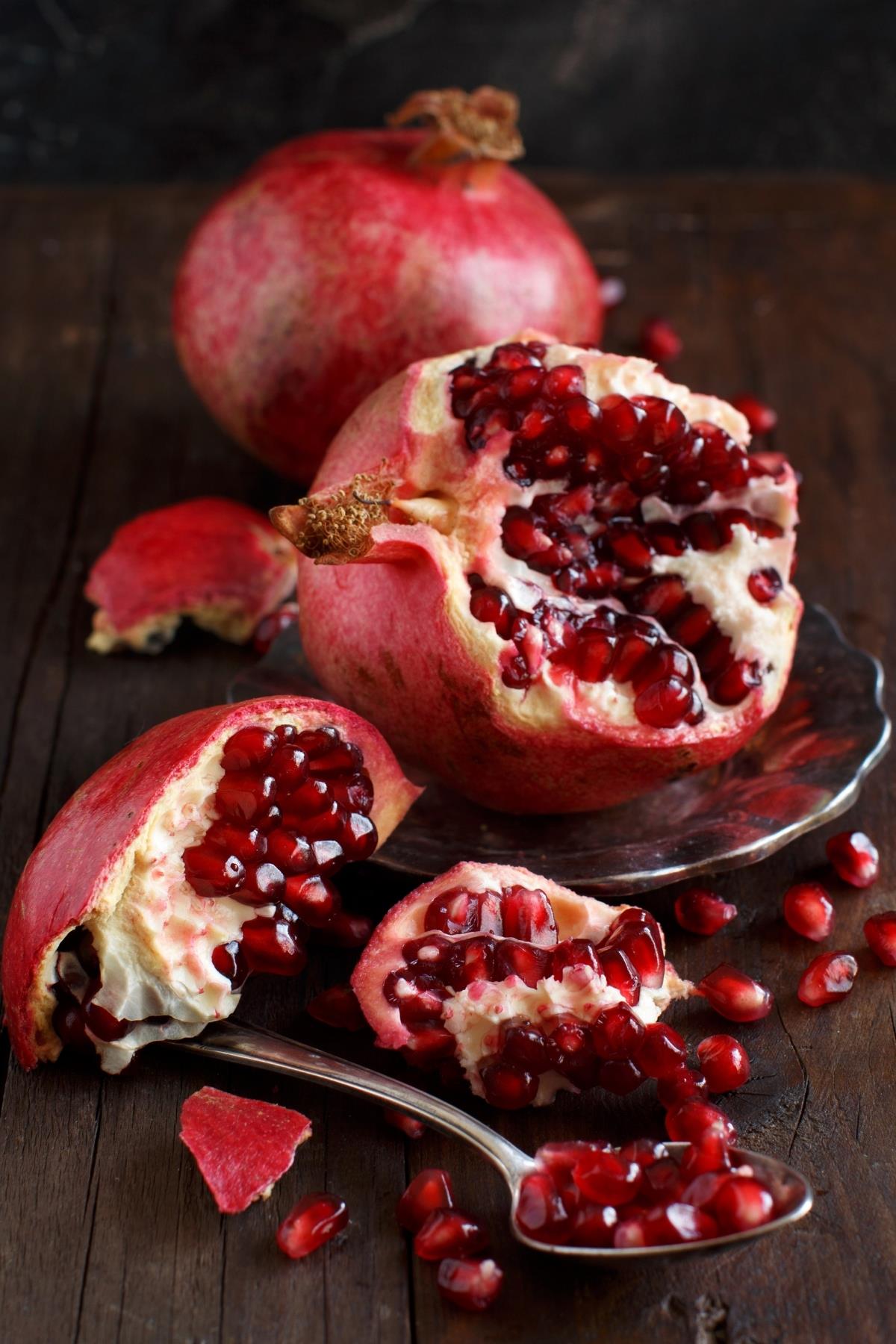
Pomegranates cultivated in Antalya's fertile lands using pesticide-free farming principles reach tables with an environmentally friendly production approach and local farming knowledge. 100% natural, non-GMO, and subjected to a controlled production process, this special fruit is a tangible reflection of Antalya Natural Farm's sustainable agriculture philosophy. The approach, which preserves naturalness at all stages from harvest to packaging, prioritizes product safety and nutritional value.
Pomegranate Nutritional Value and Benefits
Pomegranate, with its rich vitamin-mineral content and powerful antioxidant structure, is one of the important supporters of a balanced diet. Below are the average nutritional values for 100 grams of fresh pomegranate:
| Nutrient |
100 g |
| Energy |
83 kcal |
| Protein |
1.7 g |
| Carbohydrate |
18.7 g |
| Fiber |
4.0 g |
| Vitamin C |
10.2 mg |
| Potassium |
236 mg |
| Folate (B9) |
38 µg |
| Iron |
0.3 mg |
Benefits of Pomegranate
Pomegranate, which has a very high nutritional value, has various benefits. Some of them are as follows:
-
Provides protection against cellular damage thanks to its strong antioxidant content.
-
Its fiber content contributes to the regular functioning of the digestive system.
-
Supports the immune system thanks to Vitamin C.
-
Plays a supportive role in cardiovascular health with its potassium content.
What is Pomegranate Good For?
Pomegranate consumption has a positive effect on the digestive system, helping to regulate bowel movements. Thanks to its high polyphenol content, it helps strengthen the immune system and increases the body's resistance against seasonal illnesses.
When evaluated for skin health, the antioxidant structure of pomegranate fights free radicals and supports the preservation of skin elasticity. These effects are associated with the role of pomegranate polyphenols in reducing oxidative stress in scientific studies.
What Desserts / Dishes Can Be Made with Pomegranate?
Pomegranate has a wide range of uses, from desserts to salads, drinks to main course sauces. Examples of recipes that can be combined with different fruits and vegetables are as follows:
| Recipe Name |
Ingredients to be Used in the Recipe |
| Pomegranate Seasonal Salad |
Pomegranate + arugula + orange |
| Pomegranate Yogurt Dessert |
Yogurt + pine honey + pomegranate |
| Pomegranate Quinoa Bowl |
Quinoa + avocado + pomegranate |
| Pomegranate Smoothie |
Pomegranate + banana + strawberry |
| Pomegranate Olive Oil Sauce |
Pomegranate + lemon + olive oil
|
Buy Pomegranate Online
Order now for pesticide-free pomegranate, from nature to your table. Carefully packaged with Antalya Natural Farm assurance and delivered fresh to your door.
Pomegranate Storage Conditions
To preserve the freshness of pomegranate for a long time, it is recommended to store it in cool (4–8°C), dark, and humidity-controlled environments. The vegetable drawer of the refrigerator is an ideal storage area for pomegranates with undamaged peels. Cut pomegranate seeds should be stored in airtight glass containers.
Pomegranate Shelf Life
Pomegranates with peel stored under suitable conditions can remain fresh in the refrigerator for up to 2–3 weeks. Shelled pomegranate should be consumed within an average of 3–4 days in the refrigerator. Shelf life may vary depending on the harvest freshness and storage conditions of the product.
Where to Buy Pomegranate?
Naturally certified pesticide-free pomegranate can be safely purchased through the official website of Antalya Natural Farm. Being locally produced, it is both a fresh and sustainable choice.
How to Consume Pomegranate?
Pomegranate can be consumed raw, seeded, or used in salads, yogurt mixes, smoothies, and hot dish sauces. For daily consumption, about half a glass of pomegranate seeds is sufficient. Since it is rich in vitamin C, consuming it with iron-containing foods can increase absorption.
Pomegranate Production Process / From Farm to Table
Antalya Natural Farm produces pomegranates in adherence to sustainable and pesticide-free farming principles. Thanks to these methods, pomegranate is free from chemical residues and fully retains its nutritional value:
-
Natural fertilization
-
Biological pest control (release of beneficial insects)
-
Soil analyses
-
Controlled drip irrigation
-
Manual harvesting
-
Preserving freshness in the cold chain
Frequently Asked Questions (FAQs) About Pomegranate
Can Pomegranate Be Eaten Before Bed?
Pomegranate can be consumed before bed; however, its acidic nature may cause reflux or heartburn in people with sensitive stomachs. Therefore, it is more appropriate to consume it in small portions late at night.
Can Pomegranate Be Eaten Every Day?
Pomegranate, being a highly nutritious fruit, can be consumed in moderation every day. It would be more beneficial to consume it alternately with different fruits as part of a balanced diet.
How Much Pomegranate Should Be Eaten on a Diet?
For daily consumption during a diet, an average of half a cup (80–100 g) of pomegranate seeds is sufficient. This amount supports fiber and antioxidant intake while also controlling calories.
Is There Any Harm in Eating Too Much Pomegranate?
Excessive consumption of pomegranate can lead to abdominal bloating and digestive discomfort due to its high fiber and natural sugar content. It can also cause blood sugar fluctuations in some individuals.
Does Pomegranate Cause Weight Gain?
Pomegranate is a fruit with a moderate calorie content and does not cause weight gain when portion control is maintained. On the contrary, its fiber content can support feelings of fullness.
Is It Beneficial to Eat Pomegranate with Salt?
Although consuming pomegranate with salt is a traditional habit, it is not recommended as it can lead to excessive salt intake. For health reasons, it is more suitable to consume it plain or with natural accompaniments such as yogurt and salad.
Pomegranate Analysis Report:
Report Date: 25.10.2025
Report Link: https://static.ticimax.cloud/73652/uploads/dosyalar/p-25-04006.pdf
REFERENCES:
U.S. Department of Agriculture. (2023). FoodData Central: Pomegranates, raw. United States Department of Agriculture.
Slavin, J. L., & Lloyd, B. (2012). Health benefits of fruits and vegetables. Advances in Nutrition, 3(4), 506–516.
Basiri, A., Rad, A. H., Omidi, M., & Esfahani, M. (2015). Antioxidant and anti-inflammatory effects of pomegranate. Journal of Research in Medical Sciences, 20(7), 679–686.
Gropper, S. S., Smith, J. L., & Carr, T. P. (2020). Advanced nutrition and human metabolism (7th ed.). Cengage Learning.
Mahan, L. K., Raymond, J. L., & Krause, M. V. (2021). Krause’s food & the nutrition care process (15th ed.). Elsevier.
Gibson, R. S. (2005). Principles of nutritional assessment (2nd ed.). Oxford University Press.