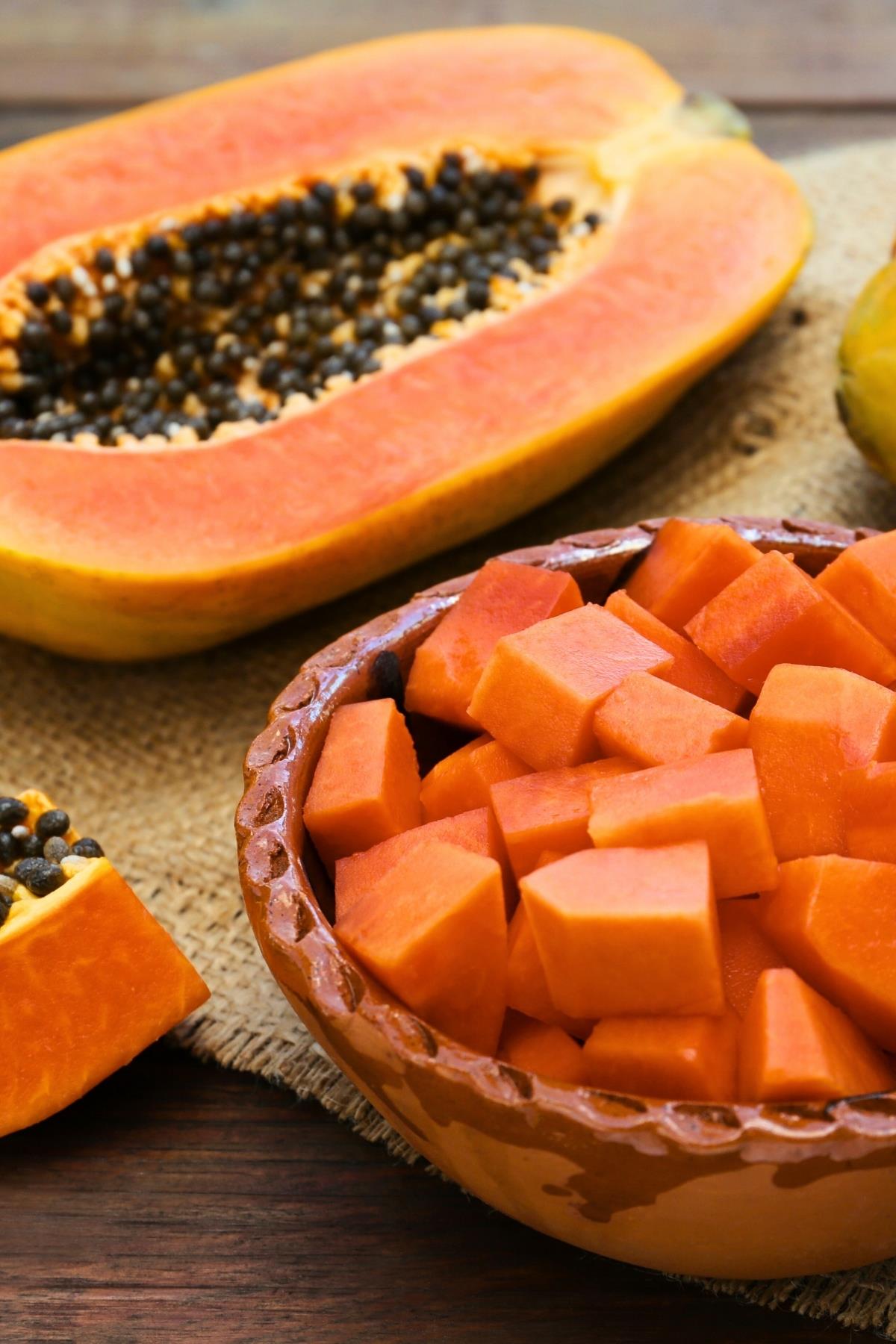
Grown in the fertile lands of Antalya using entirely pesticide-free methods, papaya reaches your table with a production model that preserves its naturalness and nutritional value. Antalya Natural Farm, which adopts a certified farming approach with entirely natural, local production and additive-free cultivation techniques, takes care to avoid chemical residues in its products. Papaya, packaged retaining its freshness from the moment it is picked from the tree, is a fruit that can be enjoyed in daily nutrition with its sweet aroma, high vitamin content, and tropical flavor.
Papaya Nutritional Value and Benefits
Papaya, also known as tree melon, is very rich in nutrients. The nutritional values for 100 grams of papaya are as shown in the table.
Nutritional Values (100 g)
| Nutrient |
Amount (100 g) |
| Calories |
43 kcal |
| Carbohydrates |
11 g |
| Protein |
0.5 g |
| Fiber |
1.7 g |
| Vitamin C |
60 mg |
| Vitamin A |
950 IU |
| Potassium |
182 mg |
Benefits of Papaya
Papaya has many benefits. Some of them are as follows:
- Supports the immune system with high vitamin C.
- Helps regulate the digestive system due to its fiber content.
- Contributes to maintaining skin health with its antioxidant structure.
- Can be preferred in diet nutrition due to its low-calorie value.
- Plays a role in maintaining body fluid balance with its potassium content.
What is Papaya Good For?
It helps relieve digestion by balancing stomach acid and regulates bowel movements. The papain enzyme is known to support protein digestion. Its rich content of vitamin C and beta-carotene can contribute to strengthening the immune system, cell regeneration, and maintaining healthy skin tissue.
What Desserts / Dishes Can Be Made with Papaya?
Papaya is a versatile fruit that pairs well with different fruits and healthy snacks. Some recipes that can be made with papaya include:
| Recipe Name |
Ingredients |
Use |
| Papaya Smoothie |
Papaya + Banana + Yogurt + Honey |
Breakfast or post-workout drink |
| Papaya Salad |
Papaya + Pineapple + Lettuce + Lime dressing |
Refreshing meal, light salad |
| Papaya Yogurt Bowl |
Papaya + Blueberries + Raw Hazelnuts |
Snack or dessert alternative |
| Papaya Jam |
Papaya + Lemon + Chia |
Healthy spread for bread |
| Papaya Ice Cream |
Papaya + Coconut Milk |
Sugar-free summer dessert |
Buy Papaya Online
You can easily order pesticide-free, natural, and local papaya with the assurance of Antalya Natural Farm. Order now, and the freshest papaya will arrive at your door.
- Papaya harvested every morning is packaged on the same day.
- Shipping is done while maintaining the freshness chain.
- Special packaging is used to prevent crushing during shipping.
- Secure shopping with a 7-day return guarantee.
Papaya Storage Conditions
To preserve its freshness, it should be stored in a cool, dark place. It is recommended to keep it in the refrigerator at 4-7°C. Sliced papaya should be stored in an airtight container and consumed within a short period. Softening fruits can be used in smoothies or dessert recipes.
Papaya Shelf Life
Whole papaya should be consumed within an average of 4-7 days, and once cut, within 1-2 days. Papaya kept at room temperature ripens faster, and its shelf life may shorten.
Where to Buy Papaya?
Naturally certified pesticide-free papaya can be safely purchased through the official website of Antalya Natural Farm. Being locally produced, it is both a fresh and sustainable choice.
How to Consume Papaya?
You can peel the tree melon, cut it in half, remove the seeds, slice it, and eat it directly. Thanks to its slightly sweet aroma, it can be easily used in yogurt, smoothies, salads, and dessert recipes. Consuming half or one medium-sized papaya a day is a light and balanced portion. Consuming it sweetened with lemon enhances the flavor. It can be combined with oats, yogurt, chia pudding, and tropical fruits to enrich meals.
Papaya Production Process / From Farm to Table
Antalya Natural Farm produces papaya adhering to sustainable and pesticide-free farming principles. Through these methods, papaya contains no chemical residues and fully retains its nutritional value:
- Natural fertilization
- Biological pest control (release of beneficial insects)
- Soil analysis
- Controlled drip irrigation
- Hand harvesting
- Maintaining freshness in the cold chain
Frequently Asked Questions About Papaya (FAQs)
What Does Papaya Taste Like?
Papaya has a slightly sweet, soft, and tropical taste. It has a flavor between melon and mango, and its sweetness becomes more pronounced as it ripens. Some palates may detect a slight nutmeg-like aroma.
Is Papaya Available in Turkey?
Although it can be cultivated in limited regions of Turkey, the most productive growing areas are Antalya and its surroundings, which have a warm climate. You can easily access fresh papayas grown with pesticide-free, natural methods at Antalya Natural Farm and order online.
What Are Papaya Seeds Good For?
Papaya seeds contain enzymes that support the digestive system and contribute to balancing bowel functions. Thanks to their antioxidant structure, they help fight free radicals in the body.
How to Eat Papaya?
You can peel the fruit, cut it in half, remove the seeds, slice it, and eat it directly. Thanks to its slightly sweet aroma, it can be easily used in yogurt, smoothies, salads, and dessert recipes.
How to Tell if Papaya is Ripe?
To tell if papaya is ripe, look for its skin to change from green to yellow-orange. When the fruit is gently pressed, it should feel soft, and a pleasant tropical aroma should be emitted. If it is very hard, it is not yet ripe and can be left at room temperature for a few days.
Are Papaya Seeds Edible?
Papaya seeds are edible, but they have a slightly bitter and peppery taste, so they are usually consumed in small amounts. In some recipes, they are dried and used as a spice. When consumed in moderation, they can support digestion.
Papaya Analysis Report:
Report Date: 02.10.2025
Report Link: https://static.ticimax.cloud/73652/uploads/dosyalar/p-25-03660.pdf
REFERENCES:
Nakasone, H. Y., & Paull, R. E. (1998). Tropical Fruits. CAB International Publishing.
Wall, M. M. (2006). Papaya (Carica papaya L.) fruit growth, production, and nutritional value. HortScience, 41(1), 23-26.
USDA. (2020). Papaya, raw—Nutritive Value per 100g. United States Department of Agriculture FoodData Central.
Aravind, G., Debjit, B., Duraivel, S., & Ramesh, K. (2013). Traditional and medicinal uses of Carica papaya. Journal of Medicinal Plants Studies, 1(1), 7-15.
Hernández, Y., Lobo, M. G., & González, M. (2006). Papaya fruit properties and health benefits. Food Chemistry, 95(3), 436-443.
Crane, J. H. (2013). Papaya Growing in the Florida Home Landscape. IFAS Extension, University of Florida.
Modern, A. H. (2019). Effects of papaya seed on digestion and antioxidant capacity. International Journal of Nutrition Research, 12(2), 45-52.