


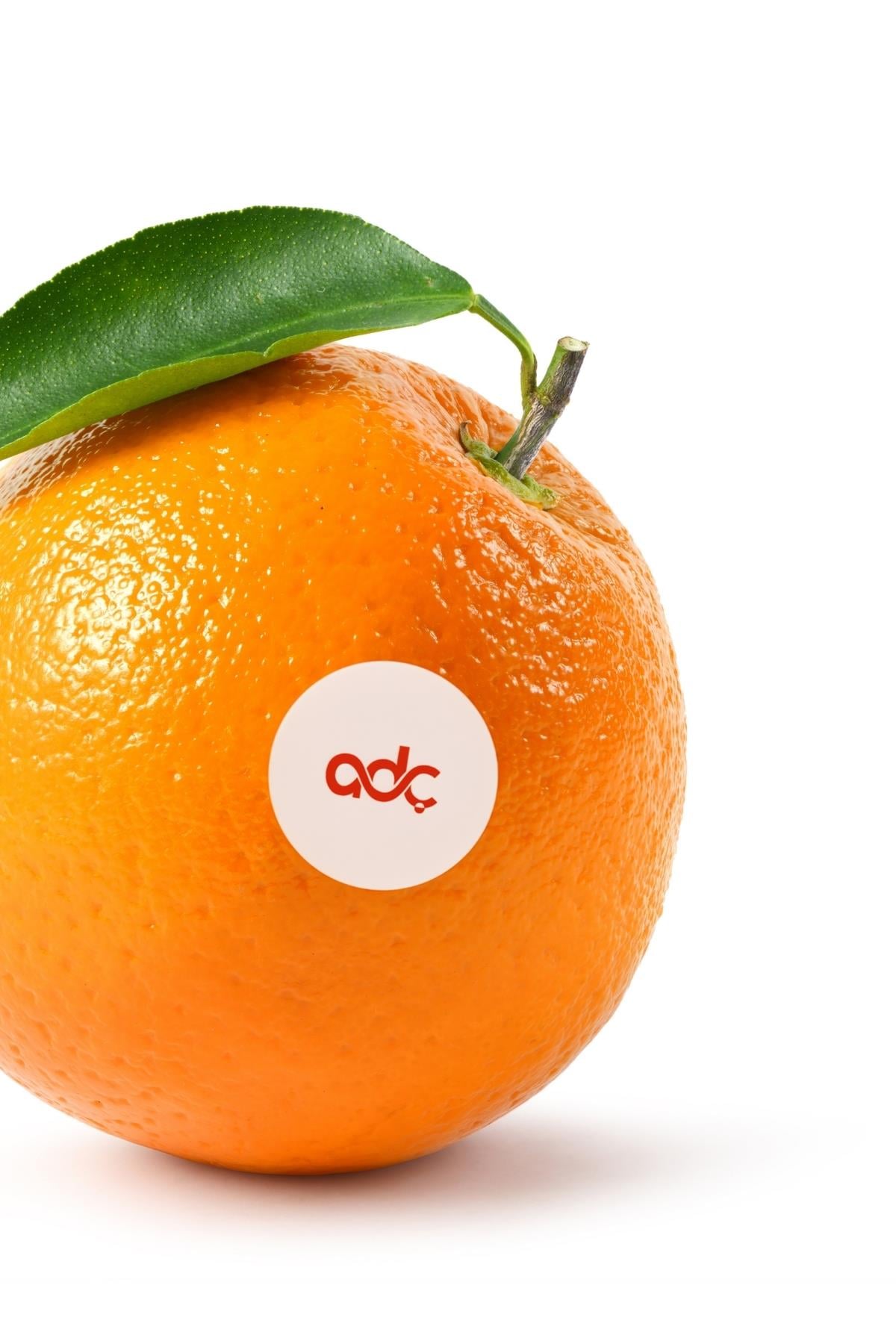
Orange 500g
Antalya Doğal Çiftlik’s Pesticide-Free Natural Orange, grown with a nature-friendly production approach, is one of the special citrus products grown without the use of chemical pesticides. Thanks to the natural advantages offered by the Mediterranean climate, orange trees ripen in season and are harvested without any artificial intervention. This process is based on 100% natural, local production, non-GMO, and traceable farming principles.
At Antalya Doğal Çiftlik, orange production is carried out with an approach that preserves soil vitality, considers biological balance, and centers sustainable agriculture. This production model, which carries no risk of chemical residue, both increases product safety and contributes to the preservation of the orange's natural aroma, water content, and nutritional values. Every stage, from farm to table, is carried out in a controlled and transparent manner.
Orange Nutritional Value and Benefits
Oranges are a highly nutritious fruit in terms of nutritional value. Below are the average nutritional values for 100 grams of orange:
| Nutrient | Amount (100 g) |
|---|---|
| Energy | 47 kcal |
| Carbohydrate | 11.8 g |
| Protein | 0.9 g |
| Fat | 0.1 g |
| Fiber | 2.4 g |
| Vitamin C | 53 mg |
| Potassium | 181 mg |
| Calcium | 40 mg |
| Folate (B9) | 30 µg |
Benefits of Oranges
Regular and balanced consumption of oranges contributes to meeting daily vitamin and mineral needs. Especially due to its vitamin C content, it plays an important role in supporting the immune system. Some of its benefits include:
- Supports the immune system thanks to vitamin C
- Helps regulate the digestive system with its fiber content
- Provides protection against cell damage with antioxidant compounds
- Contributes to fluid-electrolyte balance thanks to its potassium content
What are Oranges Good for?
Oranges, thanks to their fibrous structure that supports digestive health, help regulate bowel movements. At the same time, their light nature allows them to be consumed comfortably at different times of the day without upsetting the stomach. Regular fiber intake contributes to increased digestive comfort.
In terms of the immune system, oranges, with their high vitamin C content, support the strengthening of the body's defense mechanisms. Scientific studies show that vitamin C supports the functions of immune cells and increases resistance to infections. Additionally, antioxidants found in oranges can help reduce cellular damage caused by free radicals.
What Desserts and Dishes are Made with Oranges?
Oranges are a versatile fruit that can be easily used in both sweet and savory recipes. Delicious and balanced recipes can be created by combining them with different fruits and vegetables.
| Recipe Name | Short Description |
|---|---|
| Orange Cake | Soft textured, aromatic |
| Orange Jam | Natural sweet |
| Orange Olive Oil Salad | Greens + citrus |
| Orange Smoothie | Orange + carrot |
| Chicken with Orange Sauce | Sweet-sour flavor |
Buy Oranges Online
You can safely order pesticide-free oranges that come from nature to your table. Oranges produced by Antalya Doğal Çiftlik with an understanding of naturalness and transparency are delivered to your address with fast shipping after harvest, preserving their freshness.
Orange Storage Conditions
To preserve the freshness and nutritional value of oranges, it is recommended to store them in a cool, dry place away from direct sunlight. While they can be stored at room temperature for a short period, their shelf life extends when stored in the refrigerator. Keeping them away from humid environments reduces the risk of mold and spoilage.
Orange Shelf Life
When stored under appropriate conditions, oranges retain their freshness for an average of 5–7 days at room temperature. When stored in the refrigerator, this period can extend up to 2–3 weeks. If softening or mold formation is observed in the peel, it is not recommended for consumption.
Where to Buy Oranges?
When buying oranges, the growing conditions, pesticide use, and producer reliability are of great importance. Products obtained from organic certified and pesticide-free producers offer advantages in terms of both health and quality. Antalya Doğal Çiftlik, with its direct producer-to-consumer structure, offers a reliable shopping experience.
How to Consume Oranges?
Oranges can be consumed fresh as raw fruit, or used in fruit salads, smoothies, desserts, and cooking recipes. They are commonly preferred with breakfast foods or as snacks. While the daily consumption amount depends on individual dietary habits, one medium-sized orange is generally considered sufficient within a balanced diet plan. Oranges can create different taste and nutrient combinations when consumed with foods like apples, carrots, and yogurt.
Orange Production Process / From Farm to Table
Antalya Doğal Çiftlik produces oranges adhering to sustainable and pesticide-free farming principles. Thanks to these methods, oranges are both free of chemical residues and fully preserve their nutritional value:
- Natural fertilization
- Biological pest control (release of beneficial insects)
- Soil analysis
- Controlled drip irrigation
- Hand harvesting
- Preservation of freshness in the cold chain
Frequently Asked Questions (FAQs) About Oranges
Which Organ Do Oranges Benefit?
Thanks to the vitamin C and antioxidants it contains, it has positive effects on the immune system. Its fibrous structure contributes to the regular functioning of the digestive system, while its potassium content supports heart and vascular health.
What Vitamins are in Oranges?
It is a fruit very rich in vitamin C. In addition, it contains B1, B6, folate (B9), and small amounts of vitamin A; these vitamins play a role in energy metabolism and cell regeneration.
Can You Eat Oranges Before Bed?
Due to its acidic nature, consumption late at night can exacerbate stomach sensitivity or reflux symptoms. If planning to consume in the evening, it is more suitable to eat it at least 2–3 hours before bedtime.
How Much Sugar is in 1 Orange?
A medium-sized orange contains approximately 9–10 grams of natural fruit sugar. Since this sugar is consumed with fiber, it does not cause a sudden rise in blood sugar.
How Many Oranges Should We Eat Per Day?
In a balanced diet, one medium-sized orange per day is usually sufficient. Excessive consumption can lead to stomach sensitivity or excessive sugar intake.
Can You Eat Oranges on an Empty Stomach?
In individuals with a sensitive stomach, consuming it on an empty stomach can cause heartburn or discomfort. For more comfortable consumption, it is recommended to eat it after breakfast or as a snack.
Orange Analysis Report:
Report Date: 18.11.2025
Report Link: https://static.ticimax.cloud/73652/uploads/dosyalar/p-25-04384.pdf
REFERENCES:
USDA FoodData Central. (2023). Oranges, raw, all commercial varieties. United States Department of Agriculture.
World Health Organization. (2020). Increasing fruit and vegetable consumption to reduce the risk of noncommunicable diseases. WHO Press.
Slavin, J. L., & Lloyd, B. (2012). Health benefits of fruits and vegetables. Advances in Nutrition, 3(4), 506–516.
Carr, A. C., & Maggini, S. (2017). Vitamin C and immune function. Nutrients, 9(11), 1211.
Harvard T.H. Chan School of Public Health. (2022). Fruits and vegetables: Beyond the basics. Harvard University.
Gropper, S. S., Smith, J. L., & Groff, J. L. (2018). Advanced nutrition and human metabolism (7th ed.). Cengage Learning.
Ötleş, S., & Çağındı, Ö. (2019). Fonksiyonel gıdalar ve sağlık üzerine etkileri. Ege Üniversitesi Yayınları.
Couldn't load pickup availability



75.00TL
Do you have questions about this product? Contact us