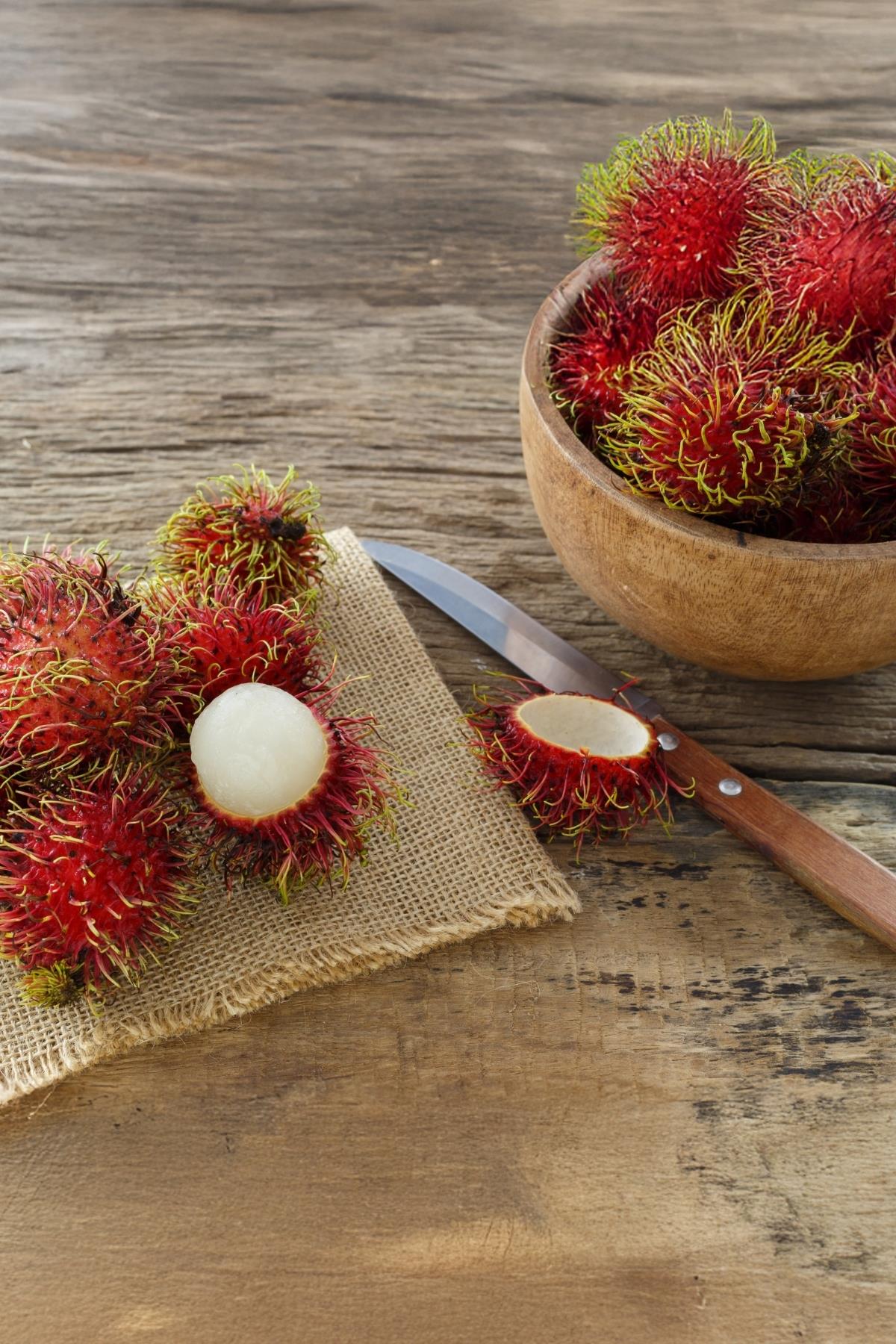
Pesticide-free Natural Rambutan is a 100% natural and non-GMO tropical fruit grown by Antalya Doğal Çiftlik with an environmentally friendly production approach. Chemical pesticides and synthetic fertilizers are not used in the production process; instead, methods that do not disrupt the natural cycle are preferred. This preserves soil fertility and ensures that an additive-free, reliable product reaches consumers.
Rambutans grown following local production principles retain their freshness by undergoing minimal processing after harvest. Thanks to a certified production approach, the product meets criteria for naturalness, traceability, and sustainable agriculture simultaneously. Antalya Doğal Çiftlik prioritizes transparency at every stage, adhering to a "farm-to-table" philosophy.
Rambutan Nutritional Value and Benefits
Rambutan, with its low-calorie structure and rich micronutrient content, is one of the fruits that supports a balanced diet. The average nutritional values for 100 grams of rambutan are as follows:
| Nutrient |
100 g |
| Energy |
68 kcal |
| Protein |
0.9 g |
| Carbohydrate |
16 g |
| Fiber |
0.9 g |
| Vitamin C |
20 mg |
| Iron |
0.4 mg |
| Potassium |
42 mg |
| Magnesium |
7 mg |
Benefits of Rambutan
Rambutan, with its high nutritional value, offers numerous benefits. Some of these include:
- Helps support the immune system.
- Contributes to the regular functioning of the digestive system.
- Protects cells against free radicals with its antioxidant content.
- Supports daily vitamin and mineral intake naturally.
What is Rambutan Good For?
Thanks to its vitamin C content, rambutan contributes to strengthening the immune system and plays a supportive role during seasonal fatigue. Its fiber content aids in more regular digestive system function and supports bowel movements.
At the same time, its antioxidant components contribute to protecting skin health, promoting a more vibrant and balanced skin appearance. Scientific studies indicate that the antioxidant capacity of tropical fruits is effective in reducing cellular oxidative stress; rambutan is included in this group.
What Desserts / Dishes Can Be Made with Rambutan?
Rambutan is an aromatic fruit that can be easily used in both sweet and light recipes. Different recipes can be created by combining it with various fruits and vegetables. Some of these include:
| Recipe Name |
Brief Description |
| Rambutan Fruit Salad |
Tropical mix |
| Rambutan & Mango Smoothie |
Refreshing drink |
| Coconut Rambutan Dessert |
Light dessert |
| Rambutan Yogurt Bowl |
Balanced snack |
| Rambutan & Avocado Bowl |
Nutritious combination |
Buy Rambutan Online
You can order pesticide-free rambutan, fresh from nature to your table, right now. Products are carefully packaged under Antalya Doğal Çiftlik's assurance and delivered to your door while maintaining their freshness.
Rambutan Storage Conditions
To preserve rambutan's freshness, it is recommended to store it in a cool place with balanced humidity. It should be kept away from direct sunlight and, if possible, stored in the vegetable drawer of the refrigerator. Storing it unwashed reduces the risk of mold and extends its shelf life.
Rambutan Shelf Life
Fresh rambutan can maintain its freshness for an average of 5–7 days in the refrigerator under appropriate storage conditions. This period may shorten when kept at room temperature, so it is recommended to consume it shortly after purchase.
Where to Buy Rambutan?
For those looking to procure pesticide-free and reliable rambutan, Antalya Doğal Çiftlik is the right address. For consumers seeking answers to where to buy organic certified products, the traceable production process and direct-from-farm sales model offer a significant advantage.
How to Eat Rambutan?
Rambutan is most commonly eaten raw; the skin is peeled by hand or with a knife, and the fruit pulp is consumed directly. It can also be used in smoothies, fruit salads, yogurt bowls, and light dessert recipes. A daily portion of 5–6 rambutan fruits is considered sufficient. When consumed with foods like yogurt, oats, and coconut, tropical fruits offer a balanced meal alternative.
Rambutan Production Process / From Farm to Table
Antalya Doğal Çiftlik produces rambutan adhering to sustainable and pesticide-free farming principles. Thanks to these methods, rambutan is both free of chemical residues and fully retains its nutritional value:
- Natural fertilization
- Biological pest control (release of beneficial insects)
- Soil analysis
- Controlled drip irrigation
- Hand harvesting
- Maintaining freshness in the cold chain
Frequently Asked Questions About Rambutan (FAQs)
What Does Rambutan Taste Like?
Rambutan has a subtly sweet, juicy, and refreshing taste. It is often compared to a flavor between lychee and grape; it has a sugary but not overpowering taste. The fruit flesh is soft and easy to chew.
Is Rambutan Available in Turkey?
Although rambutan is a tropical fruit, it can be grown on a limited scale in microclimate regions of Turkey, such as Antalya. Especially thanks to protected cultivation and controlled farming conditions, pesticide-free rambutan production is possible. Therefore, while not widespread in Turkey, it can be safely obtained from Antalya Doğal Çiftlik.
How to Eat Rambutan?
The rambutan peel is cracked and removed by hand or with a knife, and the white fruit pulp inside is eaten raw. The seed is not edible; the fruit pulp should be separated from the seed before eating. It can also be used in fruit salads, smoothies, and desserts.
Does Rambutan Seed Help with Weight Loss?
Rambutan seed does not have a direct weight-loss effect and is not recommended for raw consumption. While some traditional sources refer to processed forms of the seed, there is no scientifically proven effect on weight loss. It is not advised for weight loss purposes.
REFERENCES:
Morton, J. F. (1987). Fruits of warm climates. Miami, FL: Creative Resource Systems.
Lim, T. K. (2012). Edible medicinal and non-medicinal plants: Volume 3, Fruits. Dordrecht: Springer.
USDA Agricultural Research Service. (2019). FoodData Central: Rambutan (Nephelium lappaceum). Washington, DC: U.S. Department of Agriculture.
Chai, K. F., & Adzahan, N. M. (2015). Physicochemical properties and antioxidant capacity of rambutan fruit. Journal of Tropical Agriculture and Food Science, 43(1), 1–10.
Palanisamy, U., Ling, L. T., Manaharan, T., & Appleton, D. (2011). Rapid isolation of geraniin from Nephelium lappaceum rind and its antioxidant activity. Food Chemistry, 127(1), 21–27.
Türkiye Cumhuriyeti Tarım ve Orman Bakanlığı. (2021). Tropikal meyve yetiştiriciliği ve Türkiye’de adaptasyon çalışmaları. Ankara.